#Cannes2026 | Jacques Burger: My perspective on Cannes Lions - what to lean into
This year, Cannes felt different.
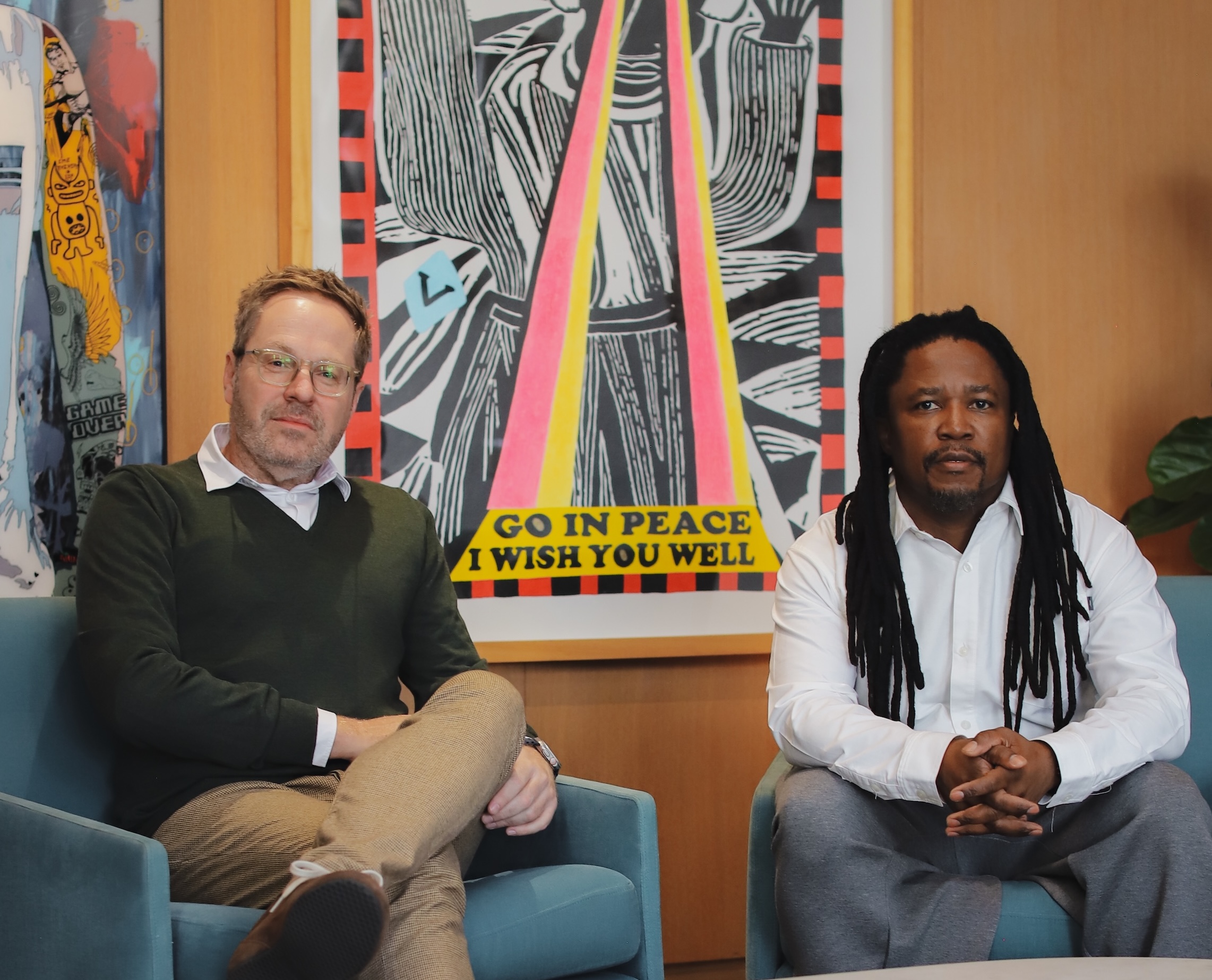
Maybe it was because, for the first time, I got to go up on stage and do a talk rather than simply sit in the audience and soak it all up. It was pretty nerve-racking, but also a massive honour, and a great opportunity to bring a still-underrepresented African perspective to Cannes.
African creativity
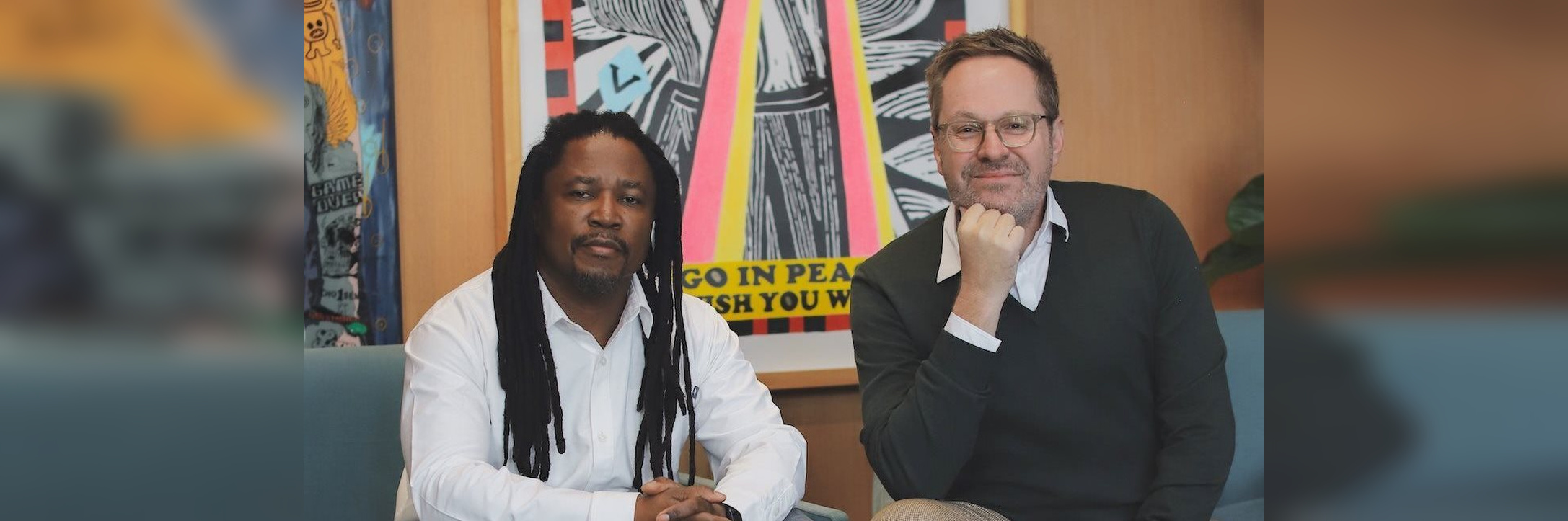
Alongside my chief creative officer, Neo Mashigo, we spoke about "What Africa Can Teach the World About Creativity". It is a perspective we naturally feel strongly about. African creativity has often had to do more with less: finding ways through constraints, solving problems the rest of the industry may not see, and making ideas travel without the same levels of budgets, infrastructure or certainty that others take for granted.
That does not make African creativity a special case. It makes it a valuable source of learning. Constraint has a way of forcing clarity, resourcefulness and relevance. In an increasingly uncertain world, those may be some of the most useful creative skills there are.
Maybe Cannes felt different because I saw a repeat of certain themes that now seem to have become standard festival content rather than genuinely new thinking. Although, to be fair, they are often principles we all know and still do not practice nearly enough. Repetition in this instance, has its benefits, I guess. And any antidote to self-imposed, short-termism is welcomed.
Long-term thinking. Brand-building. Meaningful differentiation. Patience. The things that take time and investment, to build and which too often get sacrificed for the next quarter, the next campaign or the next metric.
Maybe it was because, over a casual Father’s Day lunch, without the joy of my children being in Cannes with me, I got to meet Oprah. Not something you can casually drop into a Festival of Creativity recap without sounding like you are trying too hard - but it did happen, and it was one of those surreal moments that reminds you just how strange and extraordinary that week can actually be. She was sitting at the table next to me, and I politely smiled to acknowledge her presence as she was leaving, not imaging her coming over and putting out her hand. I nearly dropped my fork into my steak tartar, but she seemed more interested in the contents of my colleagues Croisette poke bowl.
But perhaps it was none of the above.
New era
Perhaps Cannes felt different this year because it signalled, more strongly than in previous years, that we are at the beginning of an exciting new era in our industry. And none of us really knows precisely what that era may look like.
One of the speakers at Cannes referenced what happened when the camera was invented. At the time, artists considered the ability to paint a highly realistic image one of the pinnacles of artistic achievement. Then photography arrived and suddenly did that better than any painter could.
Photography did not replace artists. But it forced them to reconsider what art was, how it was valued and where they could add something that photography could not. It helped create the conditions for new forms of artistic expression, including Impressionism and Surrealism.
I think we are living through a version of that moment now.
What became more evident at Cannes this year was not simply a concern that AI is going to take our jobs. The deeper concern was around understanding what our jobs actually are, what they need to become, and how they are going to be valued.
There is a lot of talk about being human as our value-add: about combining head, heart and hand; about craft, intuition and emotional connection. And there is truth in that. You can always see it in the care, detail and craftsmanship of some of the best work at Cannes.
But I suspect the value proposition for us humans in a world of AI needs considerably more work than that.
AI can generate mostly competent possibilities at a scale and speed that no creative department can match. It can create routes, images, words, films and variations almost instantly. But it cannot decide which of those options intuitively feels just right.
Right for a brand.
Right for a culture.
Right for a particular moment.
Right for the people we are trying to reach.
Human empathy
That requires judgment. It requires context, cultural understanding, human empathy, experience and the ability to distinguish between what is merely possible and what is genuinely meaningful.
For me, that is where the real human value lies, not simply in producing output, but in making better, wiser and more insightful choices about what should be made, why it matters and what it should mean in the world.
We have spent quite a lot of time trying to define the role of AI, perhaps hoping that if we can put it into a box, it will leave us some space to add value elsewhere. But I fear we have been trying to define a role for a new player while pretending we are still playing the same game, to the same rules, on the same field.
That is a defensive strategy around protecting turf, defending position and justifying existence.
The more important and exciting task is to identify, and where necessary, to rethink where and how we create value.
Real value
For those of us in the business of creativity, brands and communications, that means becoming more valuable not only in what we can produce, but in what we can understand. In what we can interpret. In the questions we ask. In the choices we make. And in the responsibility, we take for the work we put into the world.
Standing on that stage with Neo, making the case for what Africa has to teach the world about creativity, and then watching the industry wrestle with these questions across Cannes, left me truly optimistic.
The uncertainty is real. But so is the opportunity.
And I, for one, am excited to see what we build next.
More Articles

This year's Street Store Winter Campaign, 'Clothes for Closure', delivered in more ways than one. Reframing donation as personal closure with the tagline: "Letting it go looks good on you", the campaign reached 30-million people, generating 1.4-million in media value, with 100% positive sentiment, says Georgia Lazarus, Marketing Intern at The UP&UP Group.

Advertising used to be a people and ideas business with computers attached. Now it's a business that runs entirely on digital infrastructure, and the ideas sit on top of it.
The 2026 Fifa World Cup is fresh in our memories. Spain are world champions again and Bafana Bafana progressed to the knock-out rounds. In one of the standout moments, Norway knocked soccer royalty Brazil out of the tournament with a stunning 2-1 victory, courtesy of their Viking-like talisman striker.
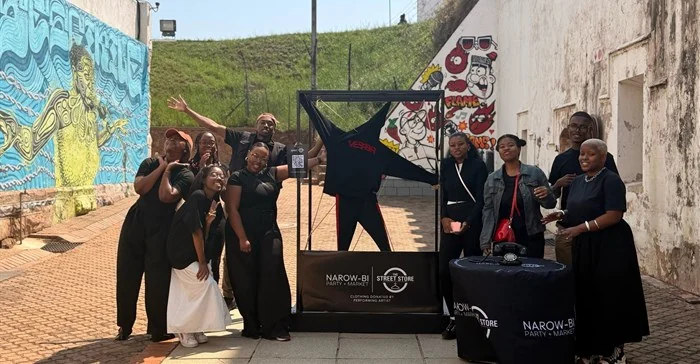
The Street Store's recent collaboration with culture brand NarowBi at their flagship Party + Market event marked the launch of a new chapter of Clothes for Closure, with a new series of activations merging fashion, community, and sustainable giving lined up.
Every June, the advertising world orients itself around the resort city Cannes in France. The Cannes Lions International Festival of Creativity is the industry’s most visible benchmark: tens of thousands of entries from nearly a hundred countries, a week of juries, stages and side conversations on the Croisette, and awards that still function as a shared language for what counts as excellent work in the world of advertising.
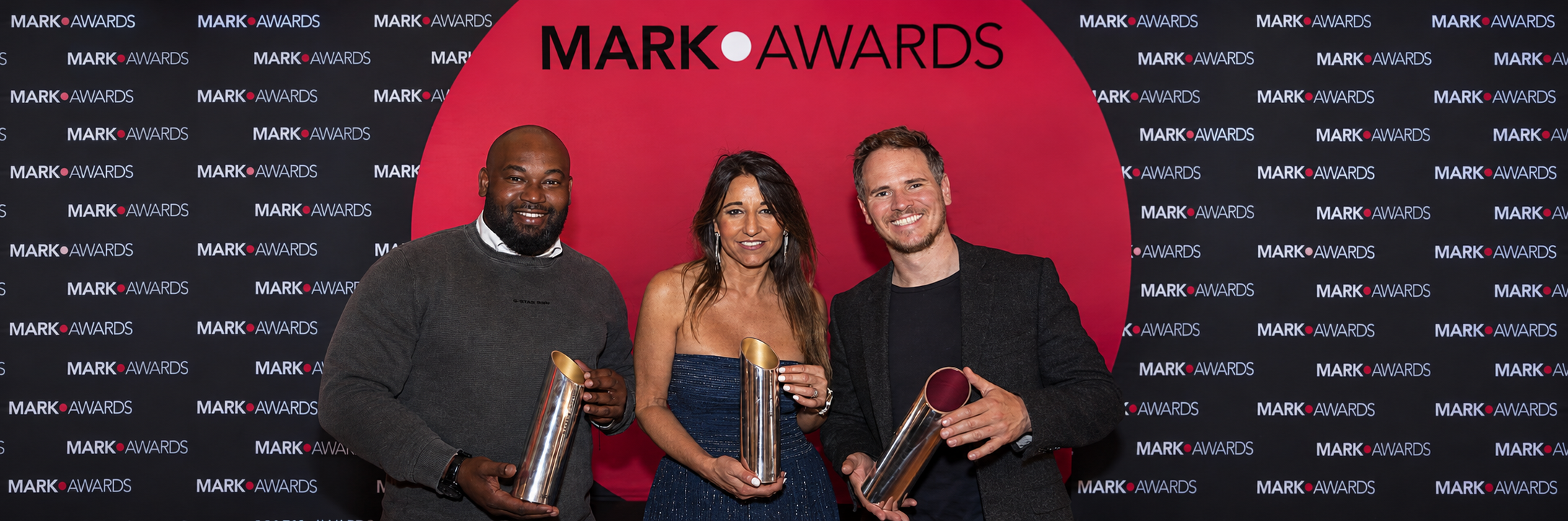
The Up&Up Group’s attention agency Connect came out tops at the Mark Awards 2026, scooping three major accolades, including the sought-after Gold award for Medium Agency of the Year.

There is a practical reason advertising agencies are using more AI. Clients want work to be done faster while budgets are under pressure. The volume keeps growing, and agencies are being asked to do more with less. Automation is an obvious response to trying to find efficiencies.
The Up&Up Group is opening applications for its 2027 LevelUp Graduate Programme, a 12-month, full-time programme created to give emerging talent meaningful, hands-on experience across the advertising, marketing and communications industry.
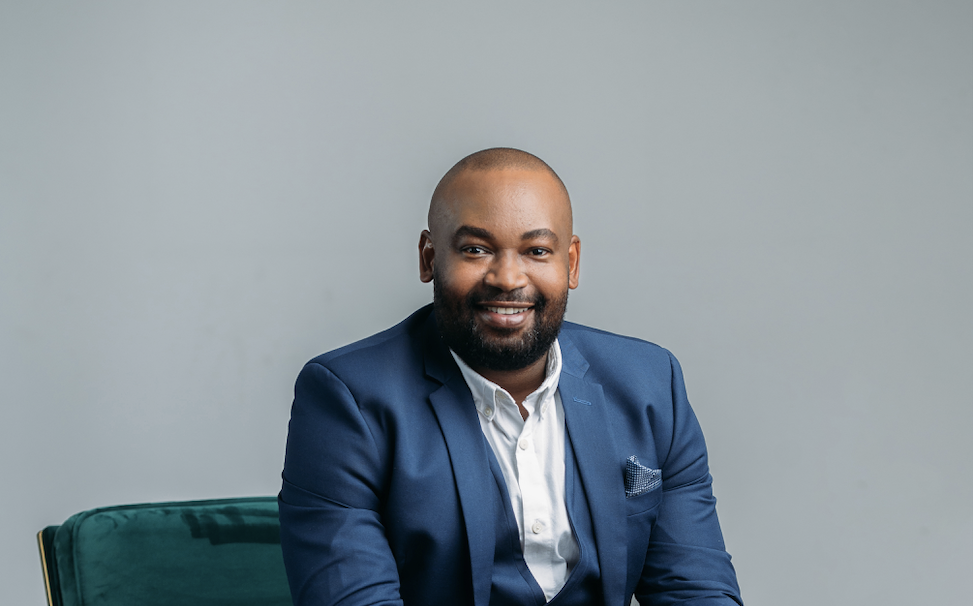
Marvin Kgasoane, Chief Client Officer at Connect, discusses how hybrid planners are shaping the future.
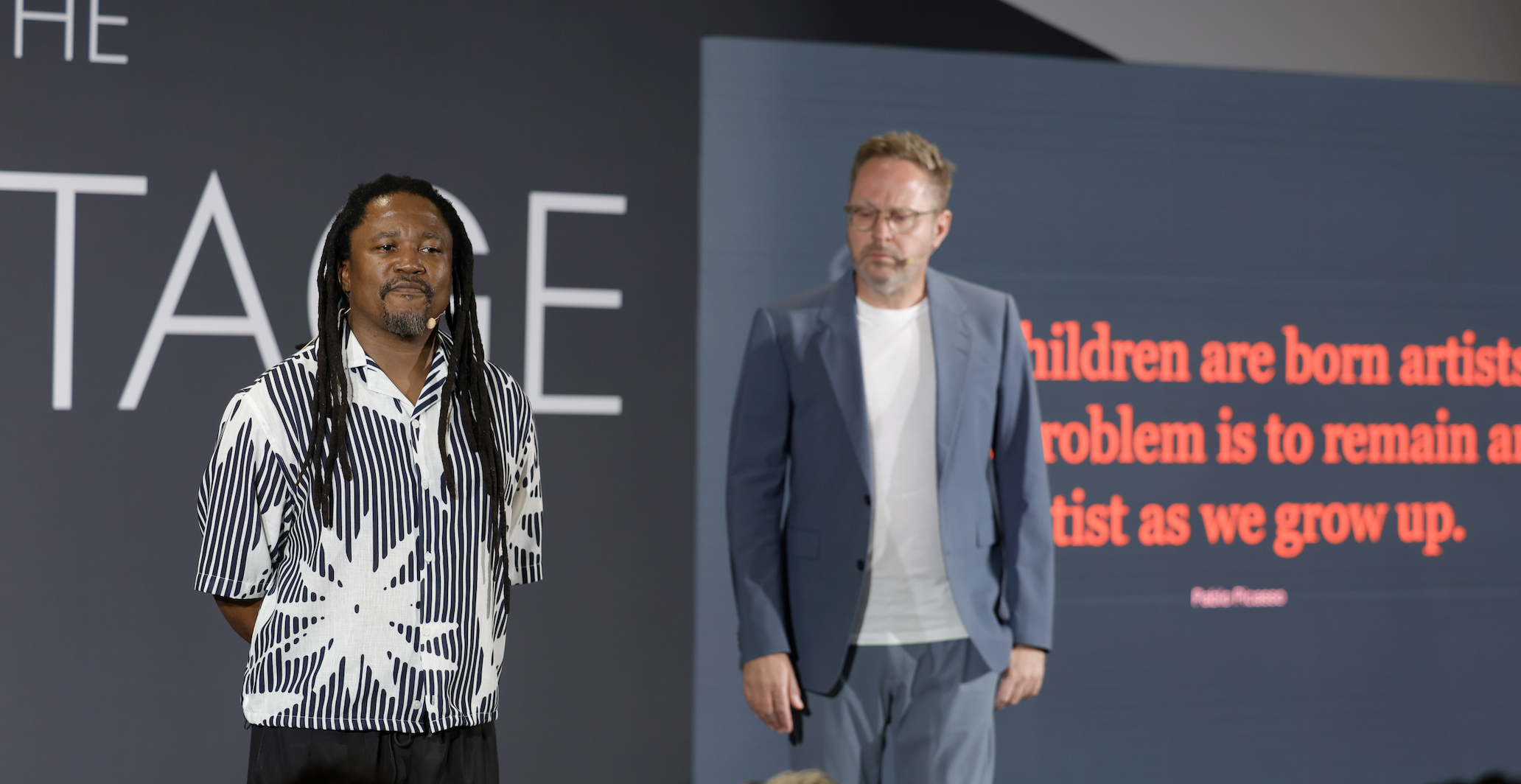
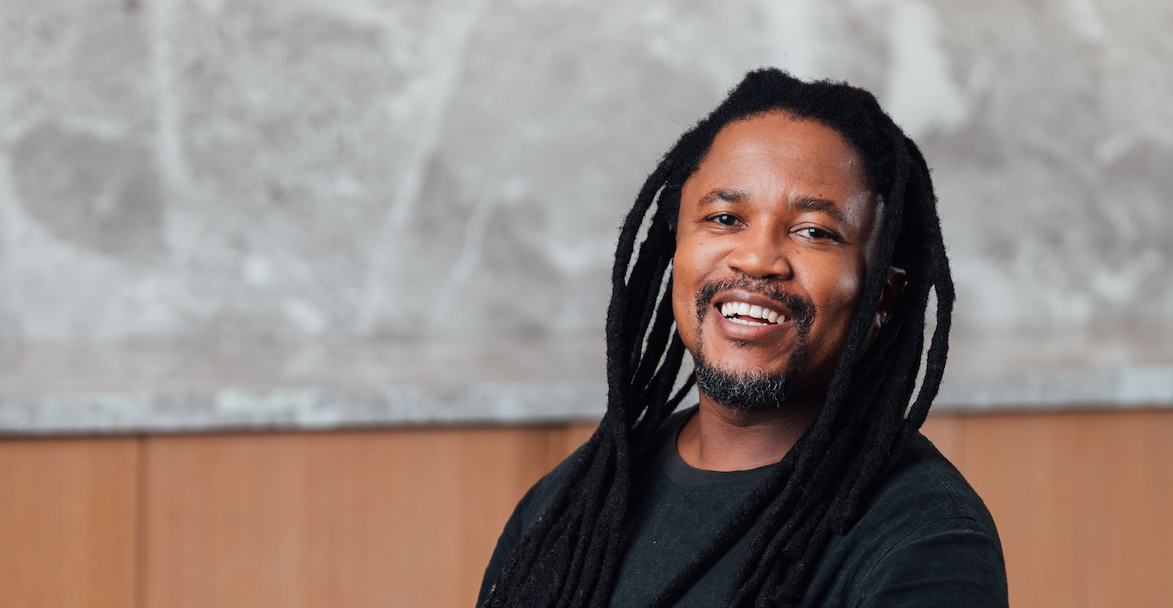
Back from Cannes Lions 2026, Jacques Burger offers his view on the experience after appearing on stage to unpack how Africans do creativity.
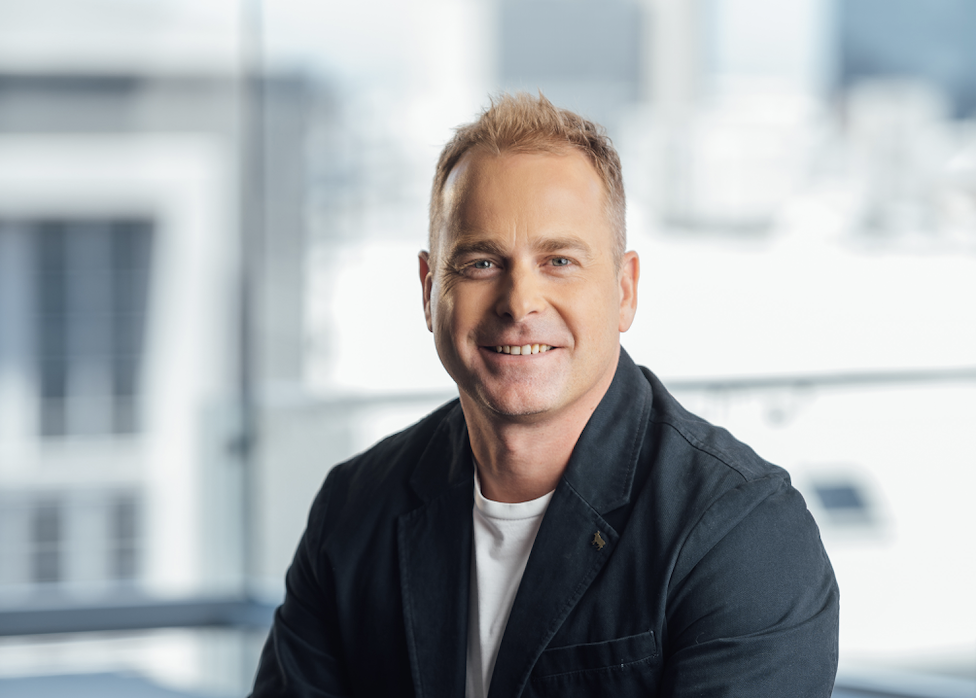
Jason Harrison, COO of The Up&Up Group, joins TechCentral’s TCS+ to discuss the hidden costs of enterprise AI adoption, from governance and integration to legal risk, cloud spend and environmental impact. He argues that businesses should move beyond hype-driven investment and adopt a practical test-and-learn approach to building AI systems that are useful, responsible and scalable.

Connect, part of The Up&Up Group, has secured the exclusive African rights to AttentionAI, Amplified’s new predictive attention product. The partnership gives African brands and agencies access to AI-powered attention data that can predict how audiences are likely to engage with creative before campaigns go live.

Connect COO Scott Reinders will join Dr Karen Nelson-Field, Google’s Carl Wåreus and host Alex Brownsell on the WARC Podcast at Cannes Lions to discuss how attention is becoming a strategic planning input for marketers. The conversation will explore how attention-led planning can strengthen memory, brand authority and future visibility in AI-driven discovery environments.
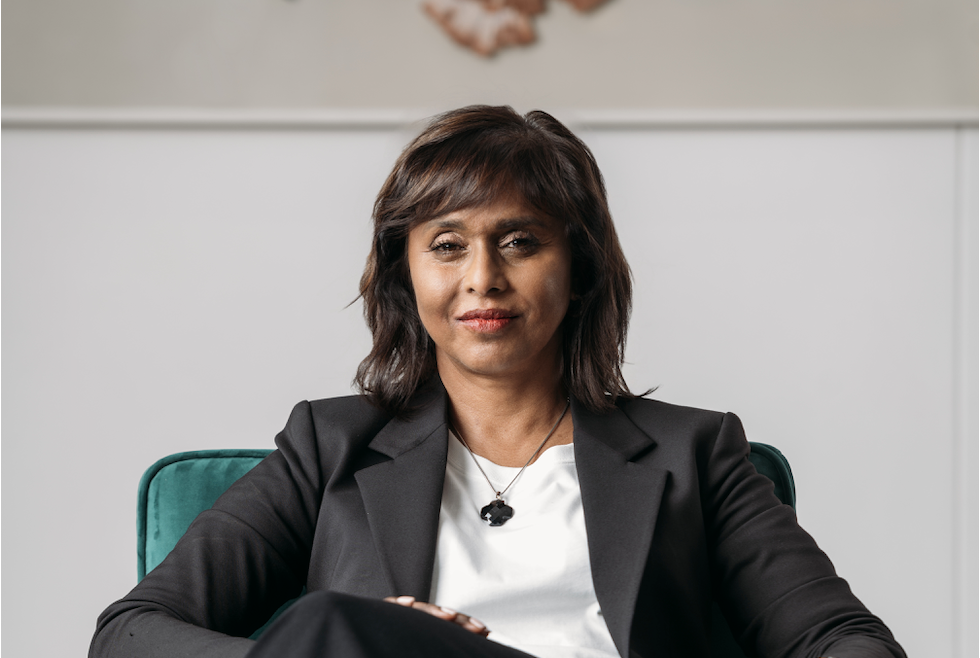
For decades, marketing was seen as the primary driver of business growth and influence. That made sense in a world where brands could define themselves through campaigns and buy attention at scale through a limited number of channels.
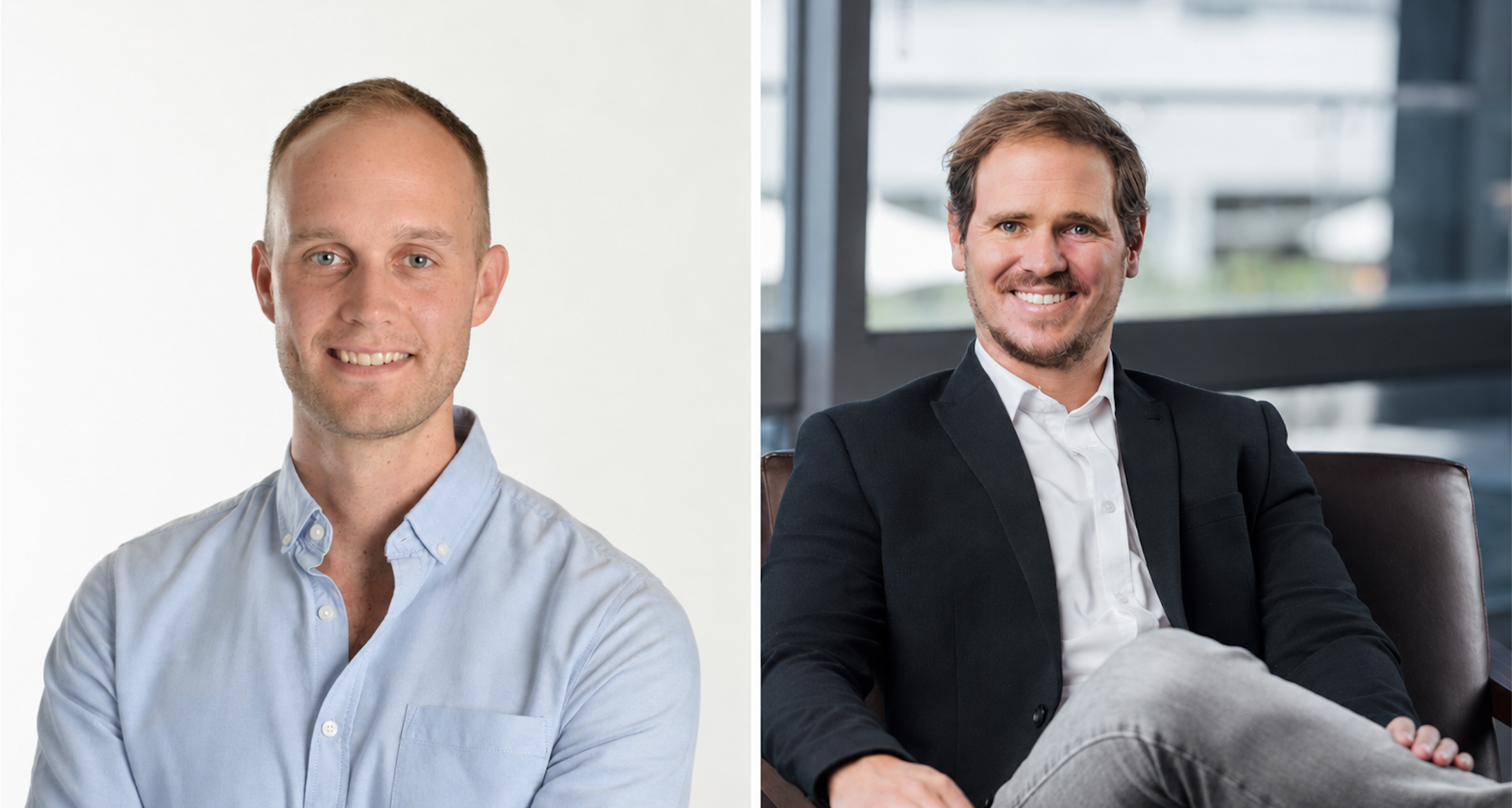
The Up&Up Group is excited and honoured to be represented on the official agenda at this year’s Cannes Lions International Festival of Creativity.
In the pursuit of certainty, we’ve engineered out emotion — and with it, a significant part of effectiveness.
We’ve taken an approach to AI by not losing focus of what makes The Up&Up Group successful, but by finding real, tangible ways this new tech can complement what we do.

Take a moment to imagine this scenario: A prominent South African CEO starts each day the same way, by dropping her children off at school and then stopping to grab a coffee on her way to the office. She chooses to have her coffee the same way every morning: No sugar, almond milk, says Kathryn McKay, Chief Creative Officer at Black & White, part of The Up&Up Group.
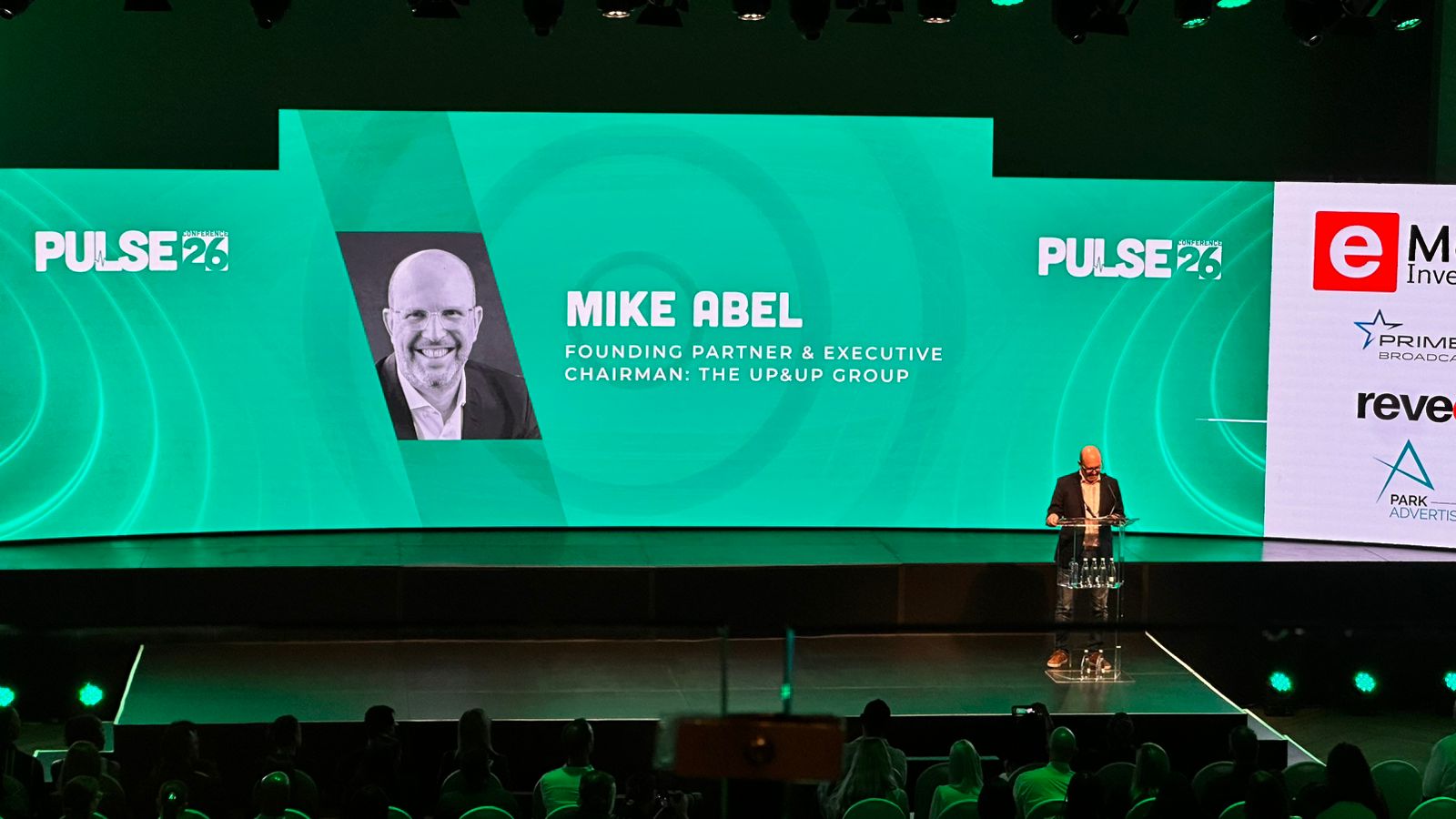
We’re spending more than ever to win attention - and getting less in return. Mike Abel argues that the real crisis in modern media isn’t reach, data, or technology, but a growing disconnect from the humans on the other side of the impression. In this talk, he challenges the obsession with volume and optimisation, exposes why attention without resonance is a waste, and makes the case for creativity as the last true differentiator. Drawing on lived leadership experience and real-world work, Mike calls for a shift from renting short term attention to earning connection - with the courage to say something worth hearing.
Africa's gaming market reached the $1 billion mark in 2024. This positive reception has allowed more streamers and gamers on the continent to continue to create and develop in this emerging industry.

Content marketing agency 2Stories has been named Best Medium-Sized Agency of the Year at the 2025 International Content Marketing Awards (ICMAs) in London, earning international recognition in its first year entering the global awards programme.
Robin Scher, content director at Razor PR on the incentives shaping today’s platforms and how they are quietly rewriting the rules of trust
As we look forward to a new year filled with opportunity, we look back at the marketing and media industry highlights for the year that was, and our guests discuss industry expectations for 2026.

The strongest defence against AI or any other tech, has never been production or process. It’s relationships.
From credit upgrades to stable governance, early signs of lasting recovery show South Africa finally moving in the right direction.

As Black Friday nears, digital spaces are bracing for a surge of deals and promos. But amid the frenzy, most of this content risks becoming digital waste — clutter that drains budgets, attention, and brand value without creating real impact.
Leaders who invest in original thinking today will gain more of tomorrow’s markets
Women's influence in marketing cannot go unnoticed as more and more women take up leadership positions in the marketing and advertising industry. In addition, women are the majority decision makers and influencers when it comes to household purchases. We explore the depth of this influence.
An increasingly challenging and competitive business environment demands a fresh B2B marketing perspective.
The campaign, created with M+C Saatchi Abel, aims to inspire South Africans to intentionally find time for moments of togetherness that matter
Life Healthcare, one of South Africa's private hospital groups, has appointed 2Stories to lead their integrated, patient-first communications strategy. The scope of work spans content-led initiatives, community building, stakeholder engagement, internal communications and proactive media relations across the Life Healthcare Group.

Picture the scene: It is late in the evening on 11 March 2000. Food in abundance and a buzz in the living room boils to a crescendo as Vuyani Bungu is about to face off against the extreme “Prince” Naseem Hamed in London. It’s hushed tones as the South African enters the ring, followed by cheering and shadow boxing, urging the local hero to make the country proud.
Agencies should accept chaos as normal, and should design strategies to deal with it and make them stronger and resilient.

The Up&Up Group has announced the launch of its 2026 LevelUp Grad Programme.

85% of digital marketing spend is wasted, according to world-renowned media scientist Dr Karen Nelson-Field.
This report reveals exactly what has, and hasn’t, changed in the lives of consumers since the pandemic.

Let’s embrace the ethos of sharing and collaboration

South Africans need to dig deep, plant wisely and nurture carefully
PR is no longer just about professional PR, it is about a deeply embedded and strategic communications function that both promotes and protects brands and reputations - exactly what Razor PR set out to do when it opened its doors in 2020.

Brands would do well to fundamentally reconstruct their engagement strategies from ‘demographic targeting’ to understanding and engaging with passion communities
Levergy has achieved the distinction for the second consecutive year after winning the Adaptability Award in 2021
There’s never been a better time to invest in SA
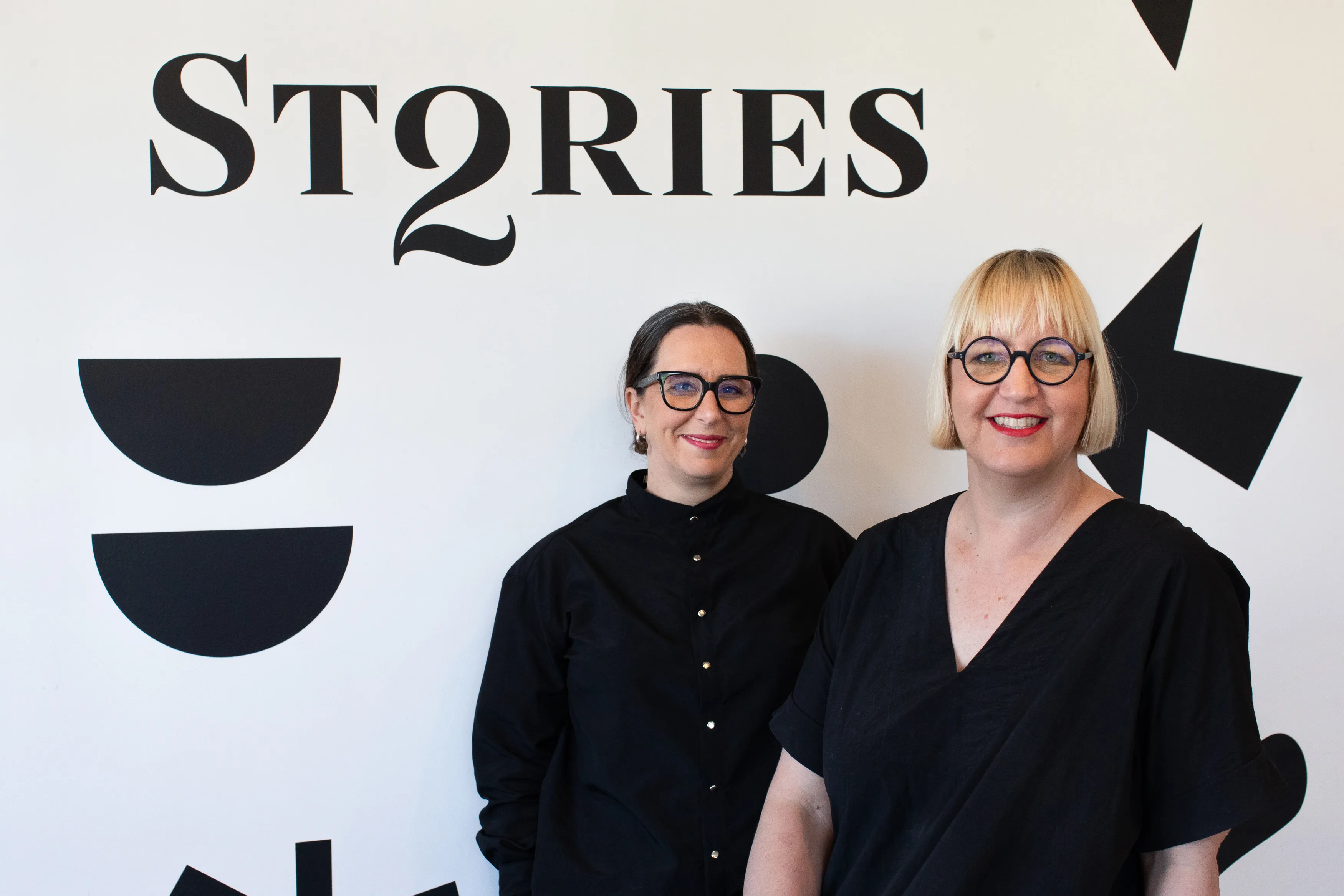
The Up&Up Group has acquired a strategic stake in content marketing agency 2Stories.