
Stop Chasing Speed
Why the Real AI Advantage Isn’t Efficiency, It’s Effectiveness.
There’s a seductive story being told across boardrooms right now: adopt AI, move faster, do more with less. The pitch is compelling. The dashboards are impressive. And yet, for most businesses, the returns are nowhere to be found.
The most visible consequence has been headcount reduction. But organisations that treated AI as a staffing equation are discovering that removing people without rethinking how work gets done does not create a smarter business. It creates a thinner one.
A 2025 report from MIT’s Media Lab found that despite $30 to $40 billion dollars in global enterprise spending on generative AI, 95% of organisations are seeing no measurable return on investment. McKinsey’s 2025 State of AI survey tells a similar story. While 88% of organisations now use AI in at least one function, only around a third are scaling it meaningfully, and just 6% qualify as high performers delivering real bottom line impact. Meanwhile, Gartner found that only 5% of marketing leaders using generative AI purely as a productivity tool reported significant business gains.
The pattern is clear. The industry has been fixated on efficiency. Speed, volume, output. But from our experience leading AI implementation and media strategy inside the same agency group, being fast is not a competitive advantage when everyone has access to the same tools. The real question is whether you are using technology to do the right things, not just to do things faster.
The Efficiency Trap
It is easy to understand why efficiency became the default objective. Budgets are under pressure. Expectations around quality, scale, and speed have not dropped. In many cases, they have increased. AI and automation offer a credible way to do more within those constraints. But efficiency on its own does not change what gets done. It only changes how quickly it happens.
McKinsey’s research draws a sharp line here. High performing organisations, the ones actually generating measurable value from AI, are nearly three times more likely than others to have fundamentally redesigned their workflows. They do not simply bolt AI onto existing processes. They rethink the processes themselves. Importantly, while 80 percent of companies set efficiency as an AI objective, high performers also set growth and innovation as goals. That broader ambition is what sets them apart.
A landmark study from Harvard Business School and Boston Consulting Group adds another layer. Consultants using AI completed tasks 25 percent more quickly and produced 40 percent higher quality results, but only when AI was applied to the right tasks. For tasks outside AI’s competence boundary, what researchers called the jagged technological frontier, AI actually made people perform worse. The first job is not to automate everything. It is to understand where AI genuinely adds value, and where human judgement and creativity are still critical.
More Ads Is Not a Media Strategy
From a media strategy perspective, Scott Reinders sees this playing out every day. “The temptation is to use AI to produce more. More ads, more placements, more variations. But without asking whether that volume is actually driving outcomes,” he says. “Every scrolling feed, every open web banner gets packed with deals and promotions. Scale without signal is just noise.”
Gartner’s data supports this concern. A 2024 survey of marketing leaders found that 87% of CMOs experienced campaign performance issues in the previous year, with nearly half terminating campaigns early. More output has not solved the challenge of cutting through in a cluttered market. If anything, it may be making it worse.
Reinders argues that the real competitive edge in media comes from making sharper decisions about where, when, and how to invest. “Platforms that deliver strong active attention, TikTok when creative aligns with the format, YouTube non skippable for storytelling, work because someone made a deliberate choice about the environment. That is an effectiveness decision, not an efficiency one.”
For South African brands operating with tighter budgets than their global counterparts, this distinction matters even more. When you cannot outspend the competition, you need to outthink it. That means using technology to improve the quality of strategic decisions, not just the speed of execution.
What Effectiveness Actually Requires
Moving from efficiency to effectiveness is not a matter of slowing down. It is a matter of redirecting where the speed is applied. From our experience, three shifts separate the organisations generating real value from those still chasing output.
From Generic to Contextual. When every company has access to the same AI models, plugging them in without adaptation produces the same generic outputs as everyone else. The organisations pulling ahead are the ones embedding their own context into how AI is deployed: how their teams actually work, the signals they respond to, the judgement calls that repeat across real situations. The tool is commoditised. The application of it is not.
From Executional to Strategic. Too often, AI enters the workflow at the point of execution: generating assets, populating templates, speeding up production. But if the brief was wrong, or the channel strategy was misaligned, faster execution just delivers the wrong thing more efficiently. The shift is to move AI upstream, into the strategic decisions that determine what gets made and why.
From Linear to Iterative. Traditional campaign cycles run on a launch-and-review cadence that measures results in quarters. By the time the data comes back, the budget is spent. Redesigning workflows around continuous optimisation, with shorter cycles, live feedback, and rapid adjustment, reduces the risk of full campaign failures and turns every deployment into a learning opportunity.
How The Up&Up Group Is Approaching This
These aren’t abstract principles. They’re the foundation of what The Up&Up Group has built.
At The Up&Up Group, the team developed the Intelligent Practice framework because the gap between AI adoption and AI impact was widening, both internally and across the industry. “Intelligent Practice is our model for integrating human creativity, data, AI, and automation across six specialist agencies,” says Izak van der Walt, Project Director for AI and Automation at The Up&Up Group. “We documented this approach in our white paper because the experimentation phase is over. Clients and agencies need results, not endless pilots. The cost of unfocused implementation, in wasted investment and team fatigue, is real.”
Van der Walt describes the team’s approach to implementation: “We don’t chase speed for its own sake. We build creative automation systems that combine AI driven content generation with platform specific requirements to produce performance marketing assets that are distinctive and on brand, not just plentiful. We invest in strong upfront creative and strategic thinking, then adapt and deploy at scale. Fewer, better, more targeted outputs that respect the brand and meet the demands of modern media.”
On the media side, Reinders and the Connect team bring the same rigour to investment decisions. “We separate KPIs, metrics, and influencing variables in our client dashboards,” he explains. “When you collapse those layers, you optimise for vanity numbers. When you separate them, you can see whether media investment is driving business outcomes and adjust accordingly.”
This convergence, AI informed creative production paired with data driven media strategy, is where Intelligent Practice becomes real. It is not about producing a thousand banner variations overnight. It is about producing the right variations, placing them in the right environments, and measuring them against the right outcomes.
“That is the bet we are making with Intelligent Practice,” says Van der Walt. “Not that we will be the fastest agency group in the market. But that we will be the most effective, because we are building systems where human creativity leads, technology amplifies, and every output is measured against outcomes that matter.”
The organisations that thrive in this next chapter won’t be the ones that moved fastest. They’ll be the ones that knew where they were going.
Sources
Challapally, A. et al. “The GenAI Divide: State of AI in Business 2025.” MIT Media Lab / Project NANDA, July 2025.
Singla, A. et al. “The State of AI in 2025: Agents, Innovation, and Transformation.” McKinsey & Company, November 2025.
Gartner. “CMO Survey: GenAI Adoption in Marketing Campaigns.” Gartner, Inc., February 2025.
Gartner. “CMOs’ Top Challenges & Priorities for 2026.” Gartner, Inc., December 2025.
Dell’Acqua, F. et al. “Navigating the Jagged Technological Frontier.” Harvard Business School Working Paper No. 24-013, September 2023.
Murty, R.N. & Kumar, R. “When Every Company Can Use the Same AI Models, Context Becomes a Competitive Advantage.” Harvard Business Review, February 2026.
Barney, J. & Reeves, M. “AI Won’t Give You a New Sustainable Advantage.” Harvard Business Review, October 2024.
D³ Institute, Harvard Business School. Research on AI in enterprise work, 2025.
The Up&Up Group. “Intelligent Practice: A Framework for AI and Automation in Advertising.” White paper, 2025.
More Articles
.png)
There is a practical reason advertising agencies are using more AI. Clients want work to be done faster while budgets are under pressure. The volume keeps growing, and agencies are being asked to do more with less. Automation is an obvious response to trying to find efficiencies.

The Up&Up Group is opening applications for its 2027 LevelUp Graduate Programme, a 12-month, full-time programme created to give emerging talent meaningful, hands-on experience across the advertising, marketing and communications industry.

Marvin Kgasoane, Chief Client Officer at Connect, discusses how hybrid planners are shaping the future.
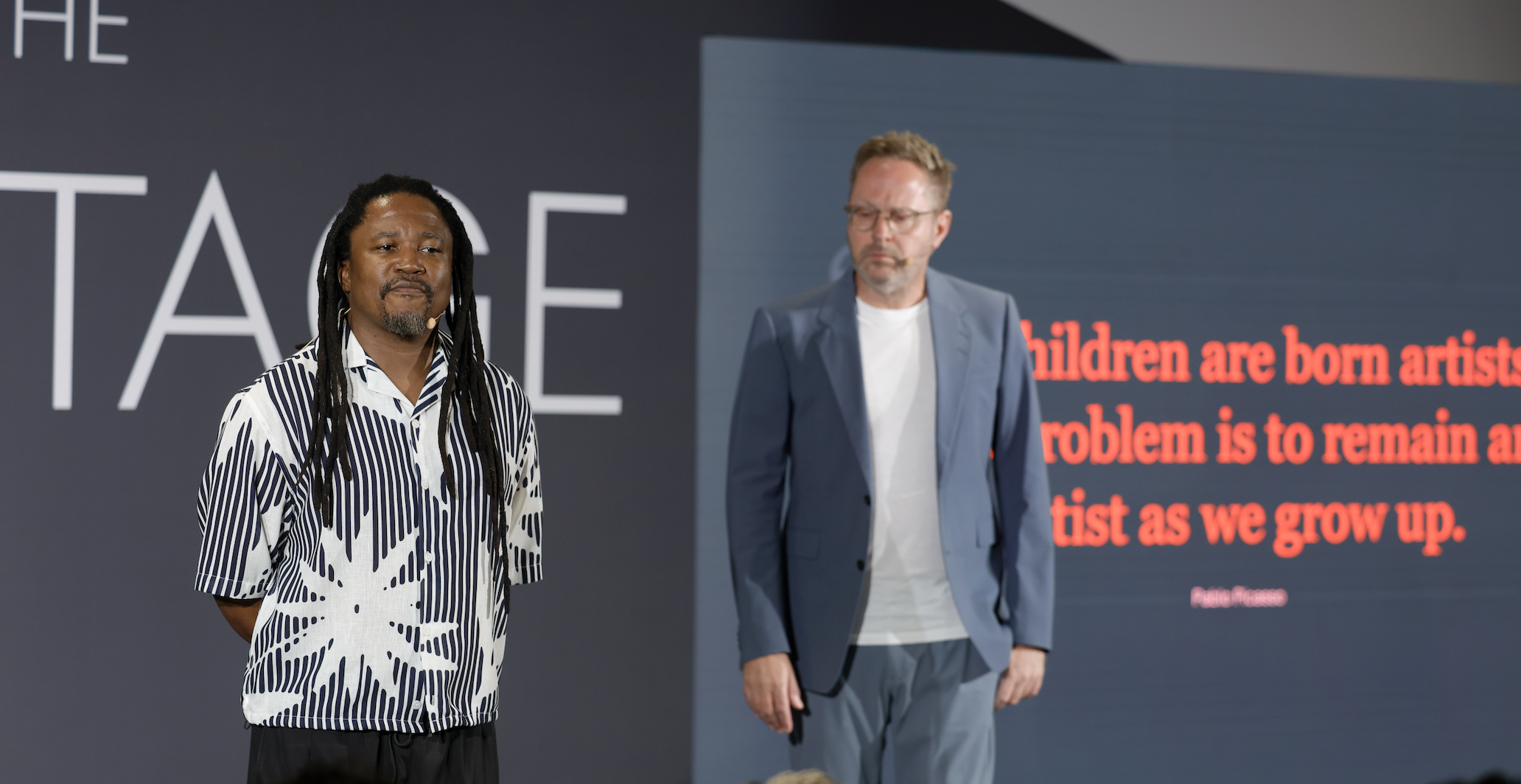
Back from Cannes Lions 2026, Jacques Burger offers his view on the experience after appearing on stage to unpack how Africans do creativity.

Jason Harrison, COO of The Up&Up Group, joins TechCentral’s TCS+ to discuss the hidden costs of enterprise AI adoption, from governance and integration to legal risk, cloud spend and environmental impact. He argues that businesses should move beyond hype-driven investment and adopt a practical test-and-learn approach to building AI systems that are useful, responsible and scalable.

Connect, part of The Up&Up Group, has secured the exclusive African rights to AttentionAI, Amplified’s new predictive attention product. The partnership gives African brands and agencies access to AI-powered attention data that can predict how audiences are likely to engage with creative before campaigns go live.

Connect COO Scott Reinders will join Dr Karen Nelson-Field, Google’s Carl Wåreus and host Alex Brownsell on the WARC Podcast at Cannes Lions to discuss how attention is becoming a strategic planning input for marketers. The conversation will explore how attention-led planning can strengthen memory, brand authority and future visibility in AI-driven discovery environments.

For decades, marketing was seen as the primary driver of business growth and influence. That made sense in a world where brands could define themselves through campaigns and buy attention at scale through a limited number of channels.

The Up&Up Group is excited and honoured to be represented on the official agenda at this year’s Cannes Lions International Festival of Creativity.

In the pursuit of certainty, we’ve engineered out emotion — and with it, a significant part of effectiveness.
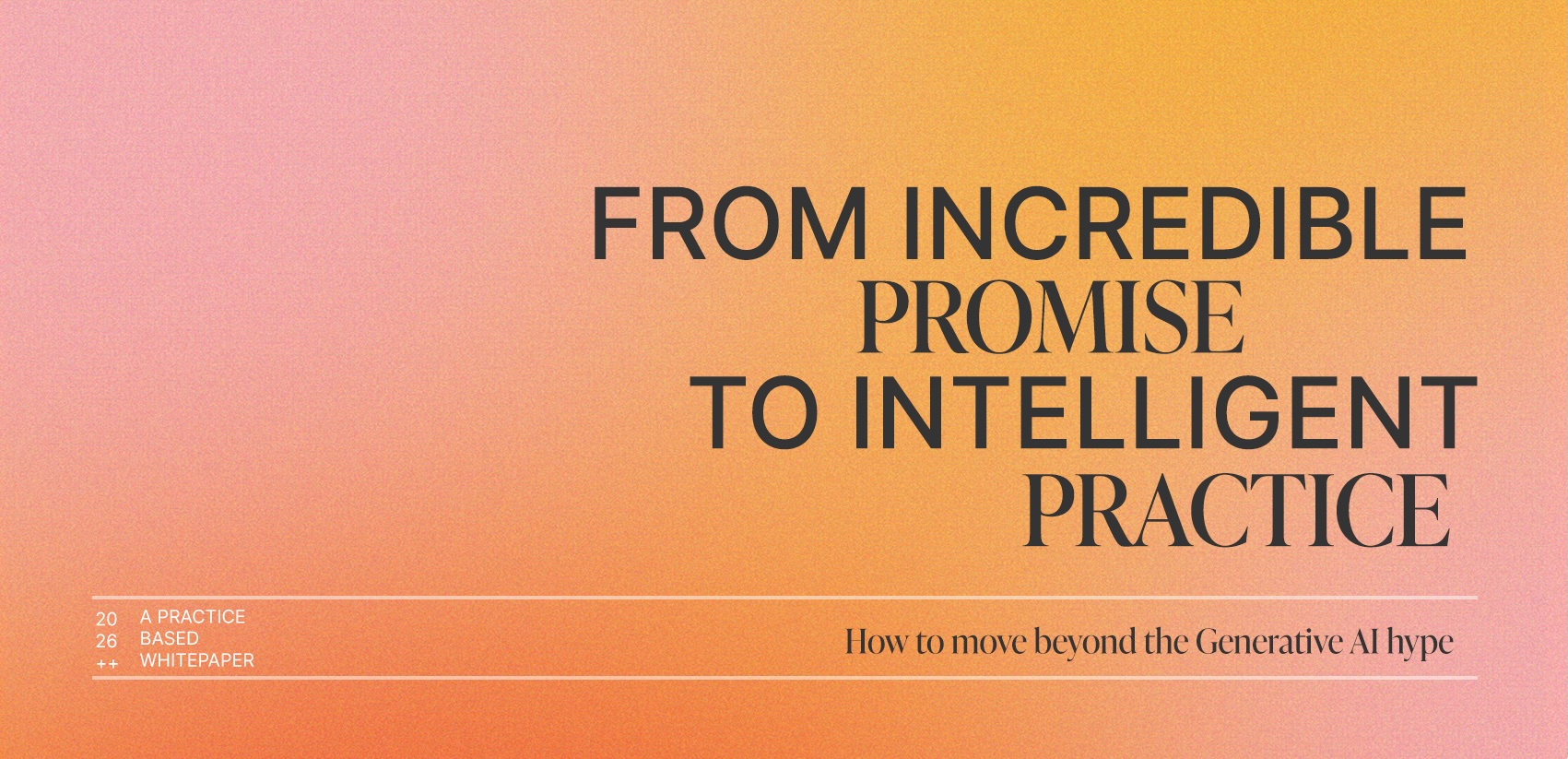
We’ve taken an approach to AI by not losing focus of what makes The Up&Up Group successful, but by finding real, tangible ways this new tech can complement what we do.
.jpg)
Take a moment to imagine this scenario: A prominent South African CEO starts each day the same way, by dropping her children off at school and then stopping to grab a coffee on her way to the office. She chooses to have her coffee the same way every morning: No sugar, almond milk, says Kathryn McKay, Chief Creative Officer at Black & White, part of The Up&Up Group.
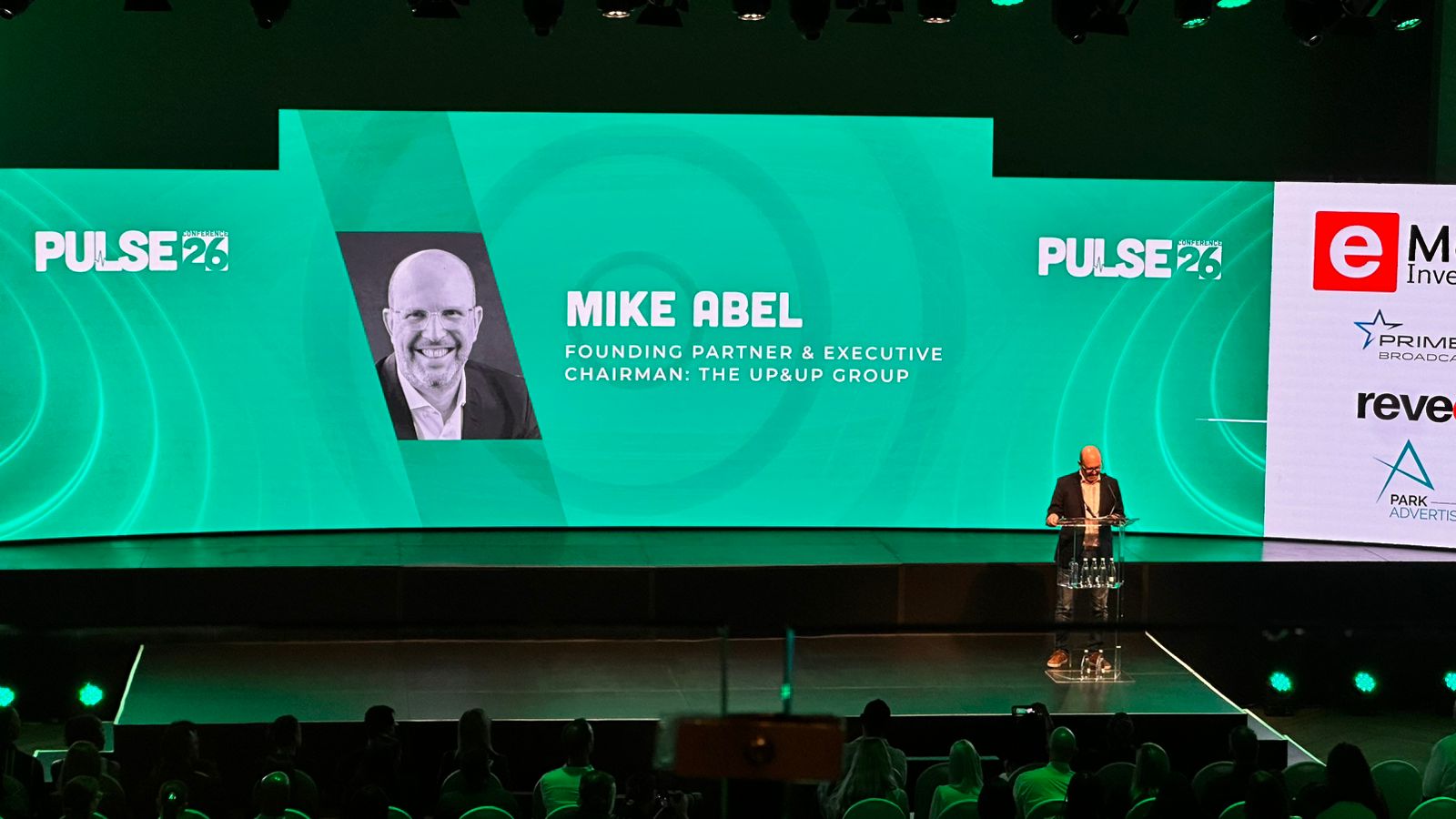
We’re spending more than ever to win attention - and getting less in return. Mike Abel argues that the real crisis in modern media isn’t reach, data, or technology, but a growing disconnect from the humans on the other side of the impression. In this talk, he challenges the obsession with volume and optimisation, exposes why attention without resonance is a waste, and makes the case for creativity as the last true differentiator. Drawing on lived leadership experience and real-world work, Mike calls for a shift from renting short term attention to earning connection - with the courage to say something worth hearing.

Africa's gaming market reached the $1 billion mark in 2024. This positive reception has allowed more streamers and gamers on the continent to continue to create and develop in this emerging industry.
.png)
Content marketing agency 2Stories has been named Best Medium-Sized Agency of the Year at the 2025 International Content Marketing Awards (ICMAs) in London, earning international recognition in its first year entering the global awards programme.

Robin Scher, content director at Razor PR on the incentives shaping today’s platforms and how they are quietly rewriting the rules of trust

As we look forward to a new year filled with opportunity, we look back at the marketing and media industry highlights for the year that was, and our guests discuss industry expectations for 2026.

The strongest defence against AI or any other tech, has never been production or process. It’s relationships.

From credit upgrades to stable governance, early signs of lasting recovery show South Africa finally moving in the right direction.

As Black Friday nears, digital spaces are bracing for a surge of deals and promos. But amid the frenzy, most of this content risks becoming digital waste — clutter that drains budgets, attention, and brand value without creating real impact.
Leaders who invest in original thinking today will gain more of tomorrow’s markets

Women's influence in marketing cannot go unnoticed as more and more women take up leadership positions in the marketing and advertising industry. In addition, women are the majority decision makers and influencers when it comes to household purchases. We explore the depth of this influence.
An increasingly challenging and competitive business environment demands a fresh B2B marketing perspective.

The campaign, created with M+C Saatchi Abel, aims to inspire South Africans to intentionally find time for moments of togetherness that matter
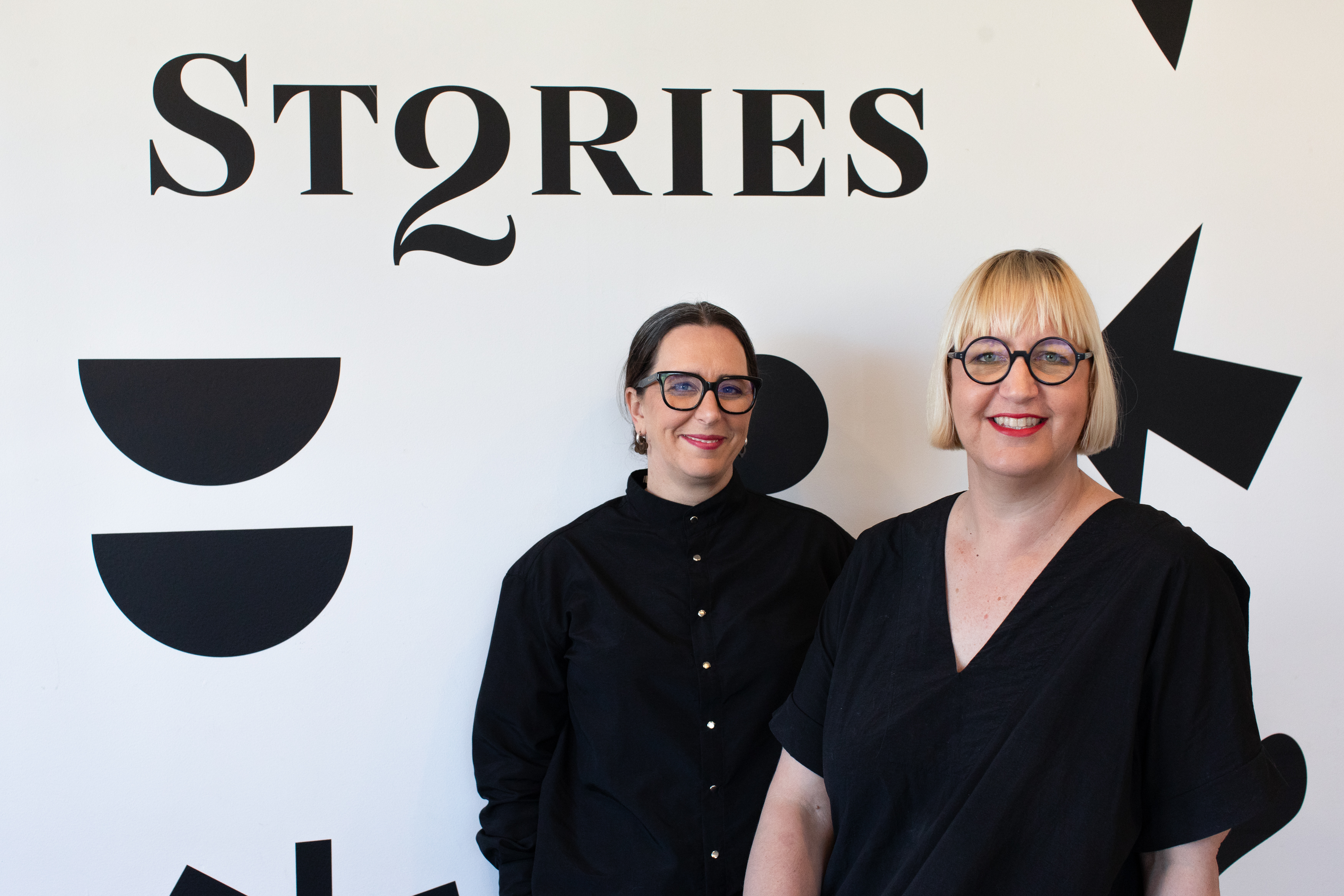
Life Healthcare, one of South Africa's private hospital groups, has appointed 2Stories to lead their integrated, patient-first communications strategy. The scope of work spans content-led initiatives, community building, stakeholder engagement, internal communications and proactive media relations across the Life Healthcare Group.
.jpeg)
Picture the scene: It is late in the evening on 11 March 2000. Food in abundance and a buzz in the living room boils to a crescendo as Vuyani Bungu is about to face off against the extreme “Prince” Naseem Hamed in London. It’s hushed tones as the South African enters the ring, followed by cheering and shadow boxing, urging the local hero to make the country proud.
Agencies should accept chaos as normal, and should design strategies to deal with it and make them stronger and resilient.

The Up&Up Group has announced the launch of its 2026 LevelUp Grad Programme.
.png)
85% of digital marketing spend is wasted, according to world-renowned media scientist Dr Karen Nelson-Field.

This report reveals exactly what has, and hasn’t, changed in the lives of consumers since the pandemic.
.webp)

Let’s embrace the ethos of sharing and collaboration

South Africans need to dig deep, plant wisely and nurture carefully

PR is no longer just about professional PR, it is about a deeply embedded and strategic communications function that both promotes and protects brands and reputations - exactly what Razor PR set out to do when it opened its doors in 2020.

Brands would do well to fundamentally reconstruct their engagement strategies from ‘demographic targeting’ to understanding and engaging with passion communities

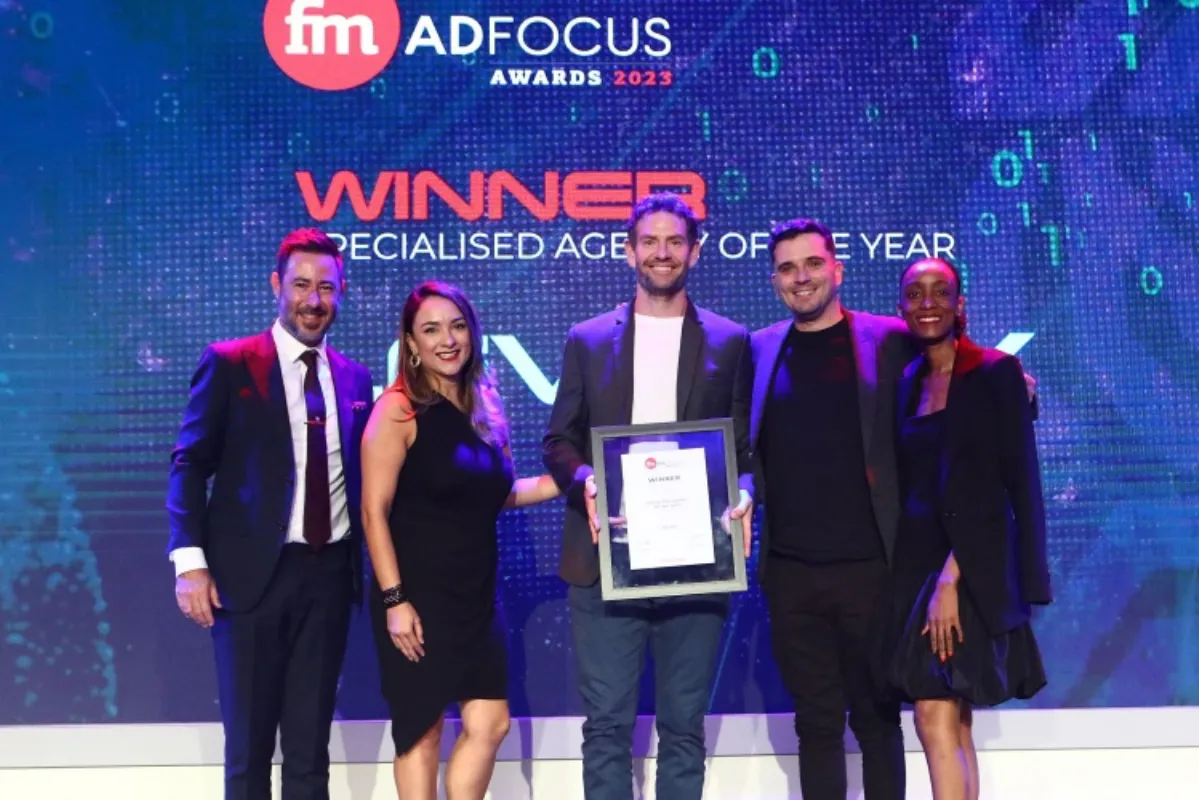
Levergy has achieved the distinction for the second consecutive year after winning the Adaptability Award in 2021

There’s never been a better time to invest in SA
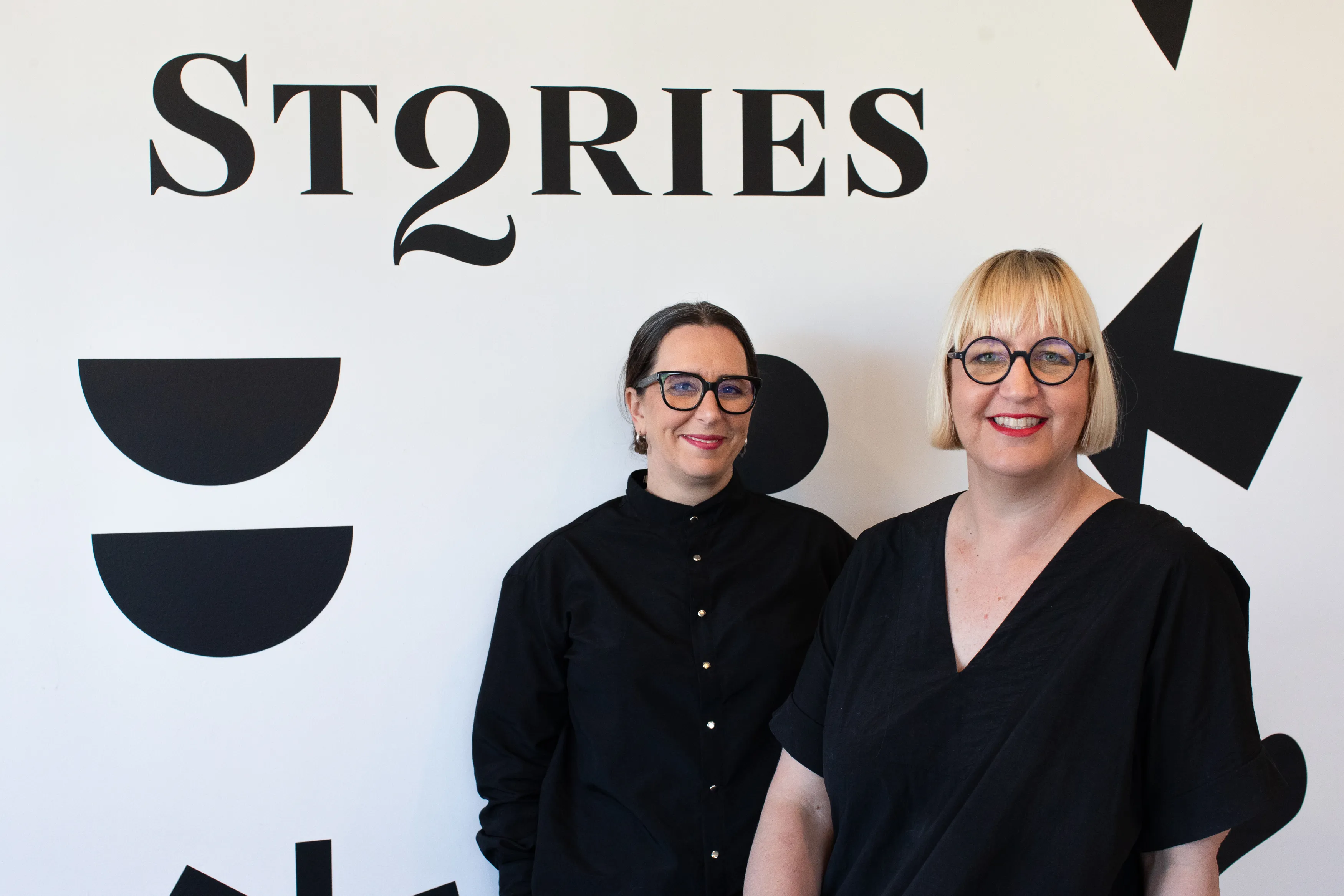
The Up&Up Group has acquired a strategic stake in content marketing agency 2Stories.