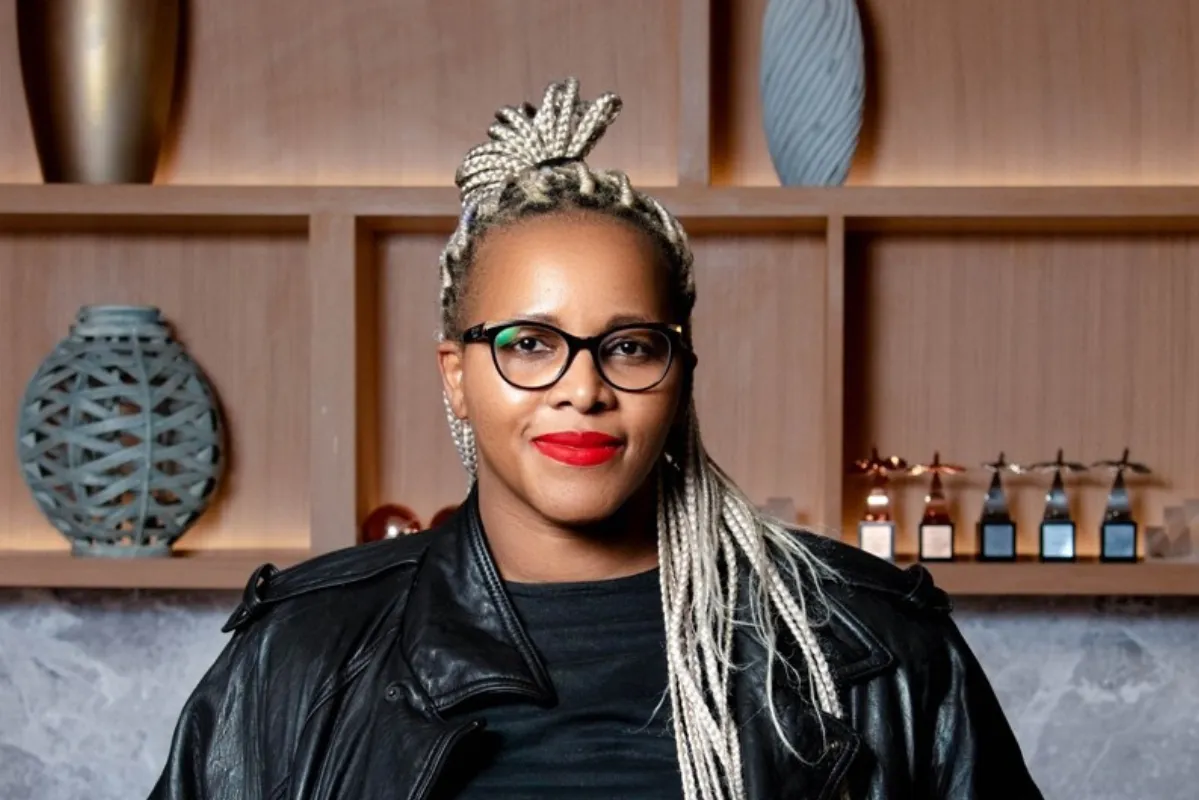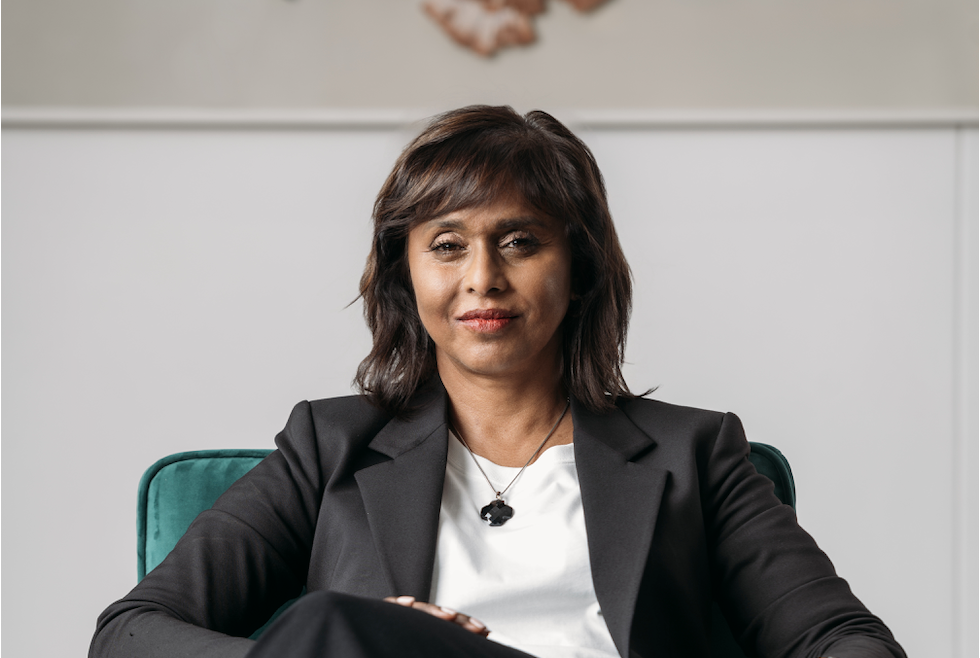
Sharleen James | Why credibility is a C-Suite issue
For decades, marketing was seen as the primary driver of business growth and influence. That made sense in a world where brands could define themselves through campaigns and buy attention at scale through a limited number of channels.
A seat at the table
The CMO was often seen as the natural custodian of the brand’s external voice. But the boardroom has changed, as have the risks facing business. And with them, the role of corporate communications and corporate affairs has moved a lot closer to the centre of leadership.
Today, the issues that most threaten business value are rarely contained within the marketing funnel. They are geopolitical, regulatory, social, technological and reputational. Many of these risks sit within stakeholder confidence, public trust, governance scrutiny, licence to operate, employee belief, investor confidence and the responsible use of AI.
This is why more organisations are realising that the Chief Communications Officer needs a seat at the C-suite table, advising the CEO and board directly. The role has outgrown the outdated idea of PR as publicity or press office support. As PwC has framed it, corporate affairs has shifted from defensive PR to strategic value creation. That shift is significant because reputation has gone from being a ‘nice to have’ to a core business function.
Burson’s recent work on the global reputation economy found that strong reputation contributes nearly 5% in unexpected shareholder value, pointing to a global “reputation economy” worth more than $7tn. The exact figure is less important than the direction of travel, with reputation increasingly being measured, priced and treated as capital.
The World Economic Forum’s Global Risks Report adds further urgency to the point. Misinformation and disinformation remain among the world’s most severe short-term risks, while geopolitical instability, cyber insecurity and adverse outcomes of AI continue to shape the operating environment for business. For any leadership team, that means communication must take place alongside the development of any strategy and not after the fact.
Low trust economy
This is the context in which the role of communications has evolved. While marketing remains critical to customer connection and brand distinctiveness, corporate communication has assumed greater importance in driving business strategy, while addressing the core challenges of building trust and legitimacy.
At Razor we take a three-prong approach to tackling this through advisory, earned media and stakeholder management — all underpinned by a data intelligence capability that draws on industry-leading tools and databases to surface insight, track sentiment and inform strategy.
Advisory means sitting close enough to leadership to read the environment early, interpret risk and shape decisions before they become public issues. Alongside this sits stakeholder management, which requires understanding that customers are only one audience with employees, regulators, investors, communities, journalists, policymakers and civil society all equally influencing business sustainability.
Then there’s earned media, which provides the credibility layer that paid and owned channels cannot replicate. Sure, paid media can deliver reach and owned media can provide control. But earned media builds trust. And that distinction is becoming more important in a low-trust economy. Audiences are navigating advertising fatigue, misinformation, sponsored content overload, AI-generated content scepticism and declining institutional trust. They’re no longer only asking what a brand is saying. They are asking who else is saying it, how credible those voices are, and how much influence they hold.
That is where earned media remains powerful. It carries the weight of independent validation. It places a brand into a public conversation through editorial judgment rather than media spend and importantly, it cannot be bought in the same way attention can be bought, which is precisely why it matters.
Strong ideas are the currency of earned media. Budget may amplify a message, but it cannot rescue a weak idea. Earned media rewards relevance, originality, tension and cultural insight. It understands that story beats slogan.
In a world of AVEs, a powerful earned idea will secure coverage. But the true value of its worth is in its ability to drive conversation.
We’ve seen this in campaigns that use creativity to open up difficult or important conversations. Take Sanlam’s The F-Show. The campaign was built on the insight that South Africans often avoid talking about money, even though financial conversations can improve wellbeing, relationships and financial outcomes. By using comedy to normalise an uncomfortable topic, the campaign moved financial literacy from instruction into culture. As clips circulated online, reaching millions of views and generating significant engagement, South Africans were able to recognise themselves in a lot of the messaging, sharing it, and participating in a wider conversation about financial confidence.
French insurer AXA’s Three Words offers another powerful example. Named Creative Brand of the Year at Cannes Lions 2025, AXA used the simple human truth that sometimes the hardest thing to say is “I need help”, to shift its positioning from insurance provider to health ally.
The campaign encouraged people to speak more openly about health, vulnerability and support. Built around three-word confessions, it gave emotional weight to AXA’s brand promise while creating a platform that could travel across markets, cultures and channels. The strength of this idea was that instead of leading with product or policy, AXA led with empathy. The result was earned relevance, allowing AXA to enter into a sensitive public conversation with credibility, humanity and purpose.
Both campaigns show where modern PR is at its most effective. These are so much more than simple awareness plays. They use insight, earned credibility and stakeholder relevance to change behaviour, shift business strategy and build trust. Ultimately, this is the work leadership teams increasingly need.
Understanding consequence
In South Africa, that need is particularly acute. Trust is fragile and institutions are heavily scrutinised. Business is expected to contribute meaningfully to social progress while navigating economic pressure, governance expectations, cyber risk and policy uncertainty. PwC South Africa’s Digital Trust Insights research found that damage to company brand, including loss of customer confidence, was one of the top cyber-attack concerns for local respondents. That reveals how even technical risk can quickly become reputation risk.
The CCO therefore has to do more than manage a narrative. They must help the organisation understand consequence. What will stakeholders believe? Where will scepticism emerge? Which voices carry credibility? What will employees need to hear? What will regulators expect? What will the media interrogate? What happens if AI accelerates a false claim before the facts can catch up?
These are C-suite questions. They require the discipline of corporate affairs’ strategic counsel, issues intelligence, reputation management, stakeholder trust and earned credibility. They also require proximity to power. Communications leaders cannot shape outcomes effectively if they’re only brought in once decisions have already been made. The companies that understand this will build more resilient reputations, while those that don’t will continue to discover, often in moments of pressure, that visibility without credibility is a fragile asset.
The next era of brand leadership won’t be won by the loudest voice or the biggest media budget. It will be shaped by organisations that can earn trust, explain themselves clearly, act responsibly and build relationships with the stakeholders who determine their licence to operate.
That’s why corporate communications belongs in the C-suite. The organisations best equipped for the years ahead will be those that place trust and reputation at the heart of how they lead.
More Articles
.png)
There is a practical reason advertising agencies are using more AI. Clients want work to be done faster while budgets are under pressure. The volume keeps growing, and agencies are being asked to do more with less. Automation is an obvious response to trying to find efficiencies.

The Up&Up Group is opening applications for its 2027 LevelUp Graduate Programme, a 12-month, full-time programme created to give emerging talent meaningful, hands-on experience across the advertising, marketing and communications industry.

Marvin Kgasoane, Chief Client Officer at Connect, discusses how hybrid planners are shaping the future.
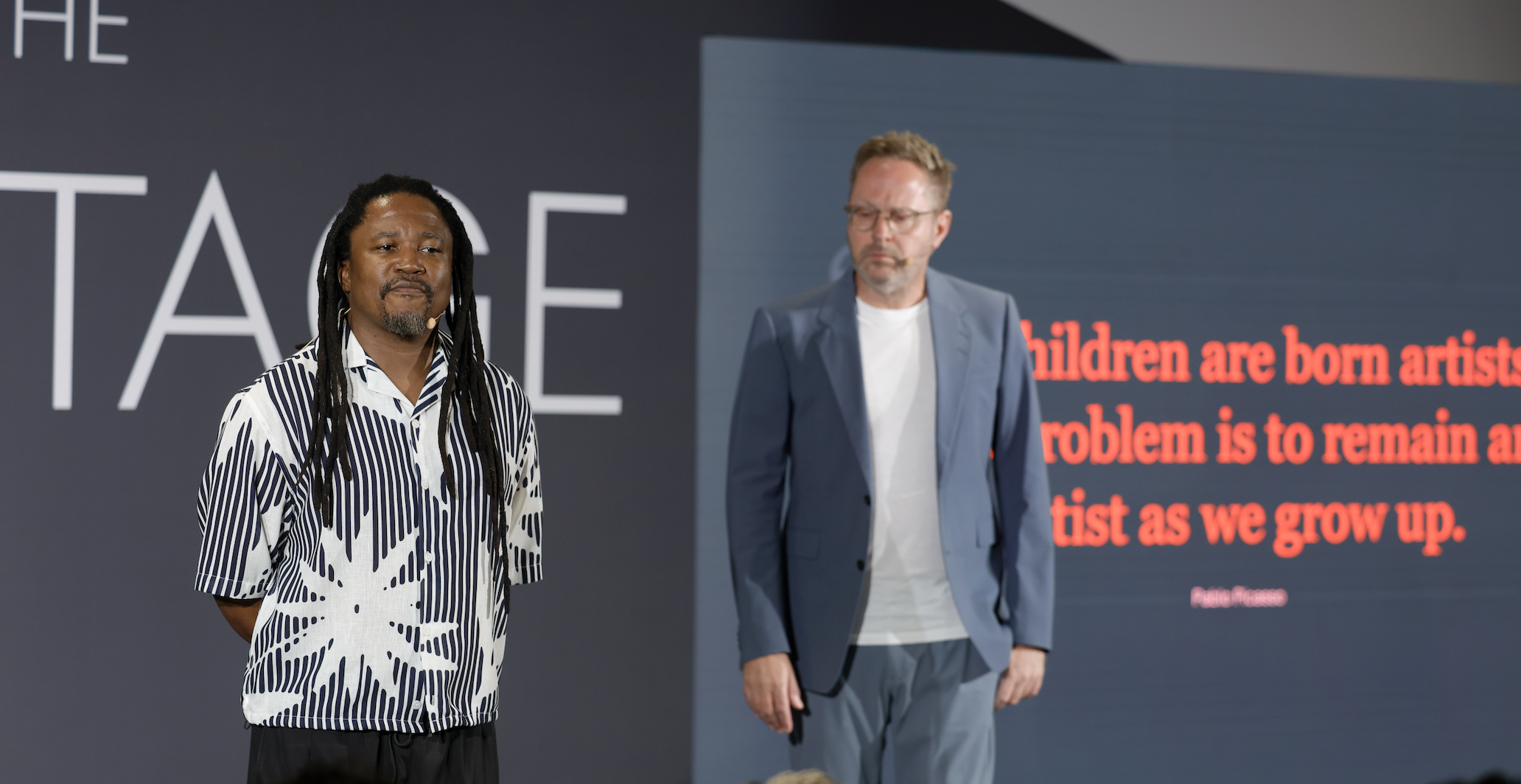
Back from Cannes Lions 2026, Jacques Burger offers his view on the experience after appearing on stage to unpack how Africans do creativity.

Jason Harrison, COO of The Up&Up Group, joins TechCentral’s TCS+ to discuss the hidden costs of enterprise AI adoption, from governance and integration to legal risk, cloud spend and environmental impact. He argues that businesses should move beyond hype-driven investment and adopt a practical test-and-learn approach to building AI systems that are useful, responsible and scalable.

Connect, part of The Up&Up Group, has secured the exclusive African rights to AttentionAI, Amplified’s new predictive attention product. The partnership gives African brands and agencies access to AI-powered attention data that can predict how audiences are likely to engage with creative before campaigns go live.

Connect COO Scott Reinders will join Dr Karen Nelson-Field, Google’s Carl Wåreus and host Alex Brownsell on the WARC Podcast at Cannes Lions to discuss how attention is becoming a strategic planning input for marketers. The conversation will explore how attention-led planning can strengthen memory, brand authority and future visibility in AI-driven discovery environments.

The Up&Up Group is excited and honoured to be represented on the official agenda at this year’s Cannes Lions International Festival of Creativity.

In the pursuit of certainty, we’ve engineered out emotion — and with it, a significant part of effectiveness.
We’ve taken an approach to AI by not losing focus of what makes The Up&Up Group successful, but by finding real, tangible ways this new tech can complement what we do.
.jpg)
Take a moment to imagine this scenario: A prominent South African CEO starts each day the same way, by dropping her children off at school and then stopping to grab a coffee on her way to the office. She chooses to have her coffee the same way every morning: No sugar, almond milk, says Kathryn McKay, Chief Creative Officer at Black & White, part of The Up&Up Group.
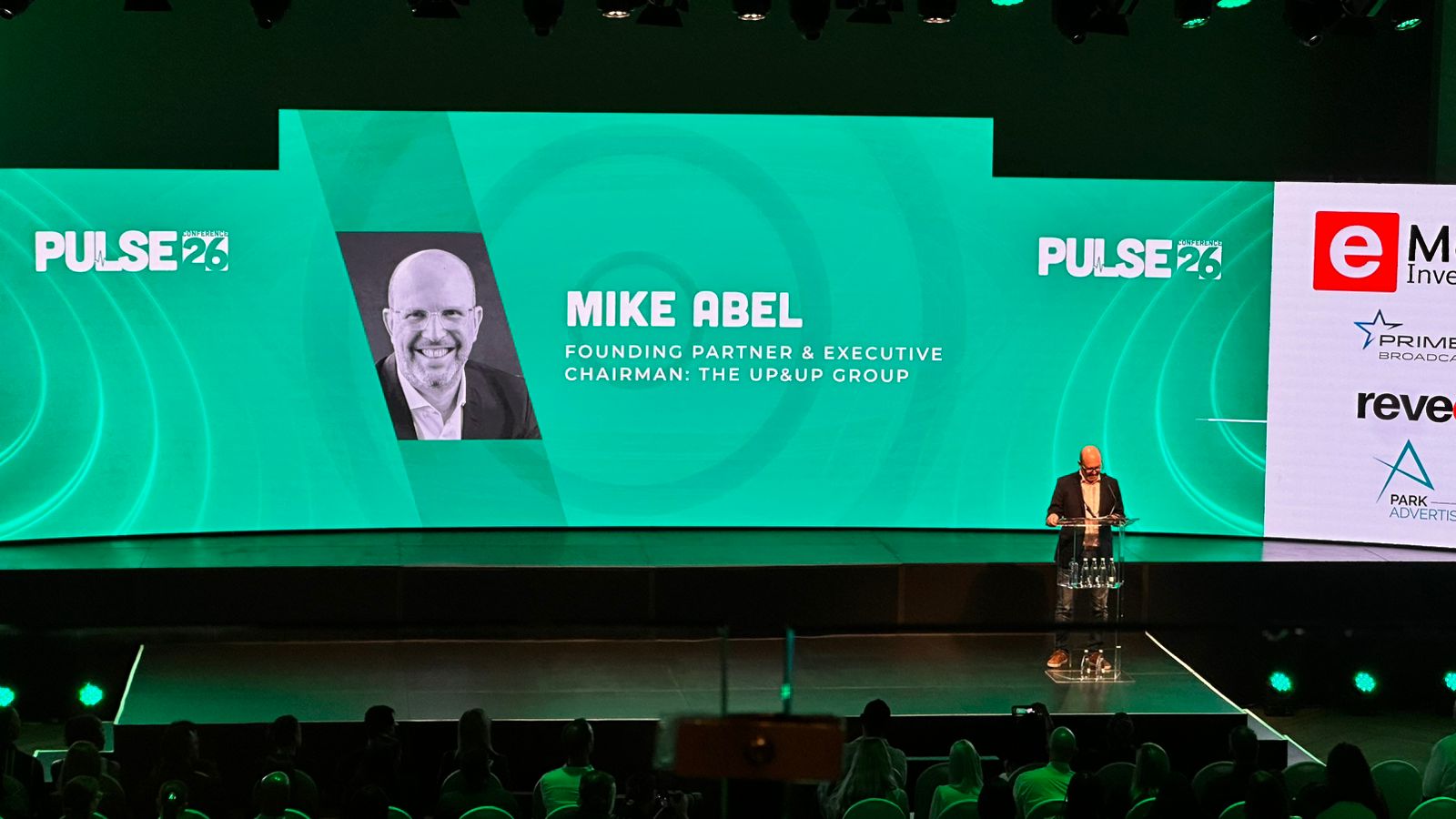
We’re spending more than ever to win attention - and getting less in return. Mike Abel argues that the real crisis in modern media isn’t reach, data, or technology, but a growing disconnect from the humans on the other side of the impression. In this talk, he challenges the obsession with volume and optimisation, exposes why attention without resonance is a waste, and makes the case for creativity as the last true differentiator. Drawing on lived leadership experience and real-world work, Mike calls for a shift from renting short term attention to earning connection - with the courage to say something worth hearing.

Africa's gaming market reached the $1 billion mark in 2024. This positive reception has allowed more streamers and gamers on the continent to continue to create and develop in this emerging industry.
.png)
Content marketing agency 2Stories has been named Best Medium-Sized Agency of the Year at the 2025 International Content Marketing Awards (ICMAs) in London, earning international recognition in its first year entering the global awards programme.

Robin Scher, content director at Razor PR on the incentives shaping today’s platforms and how they are quietly rewriting the rules of trust
As we look forward to a new year filled with opportunity, we look back at the marketing and media industry highlights for the year that was, and our guests discuss industry expectations for 2026.

The strongest defence against AI or any other tech, has never been production or process. It’s relationships.

From credit upgrades to stable governance, early signs of lasting recovery show South Africa finally moving in the right direction.

As Black Friday nears, digital spaces are bracing for a surge of deals and promos. But amid the frenzy, most of this content risks becoming digital waste — clutter that drains budgets, attention, and brand value without creating real impact.
Leaders who invest in original thinking today will gain more of tomorrow’s markets
Women's influence in marketing cannot go unnoticed as more and more women take up leadership positions in the marketing and advertising industry. In addition, women are the majority decision makers and influencers when it comes to household purchases. We explore the depth of this influence.
An increasingly challenging and competitive business environment demands a fresh B2B marketing perspective.

The campaign, created with M+C Saatchi Abel, aims to inspire South Africans to intentionally find time for moments of togetherness that matter
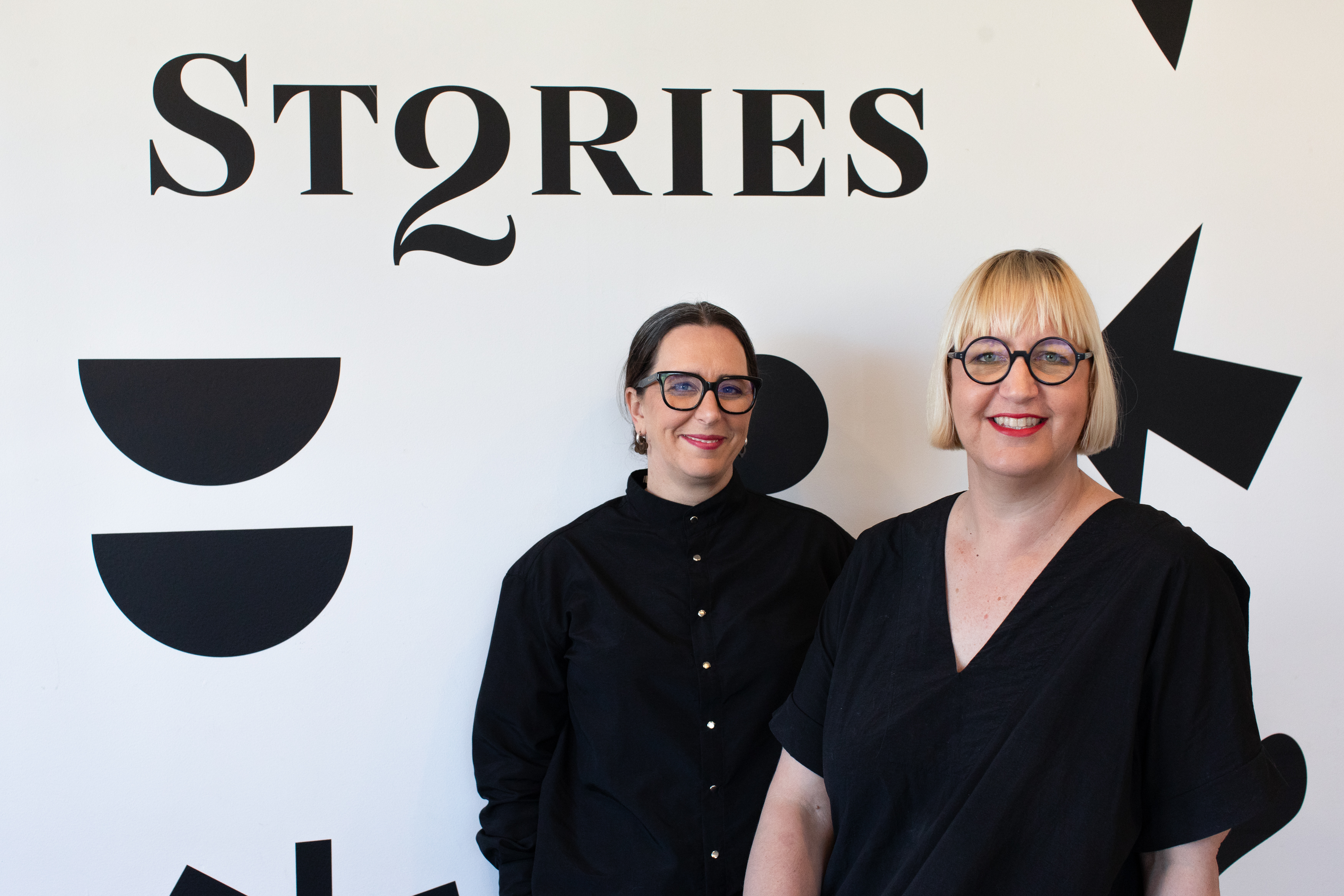
Life Healthcare, one of South Africa's private hospital groups, has appointed 2Stories to lead their integrated, patient-first communications strategy. The scope of work spans content-led initiatives, community building, stakeholder engagement, internal communications and proactive media relations across the Life Healthcare Group.
.jpeg)
Picture the scene: It is late in the evening on 11 March 2000. Food in abundance and a buzz in the living room boils to a crescendo as Vuyani Bungu is about to face off against the extreme “Prince” Naseem Hamed in London. It’s hushed tones as the South African enters the ring, followed by cheering and shadow boxing, urging the local hero to make the country proud.
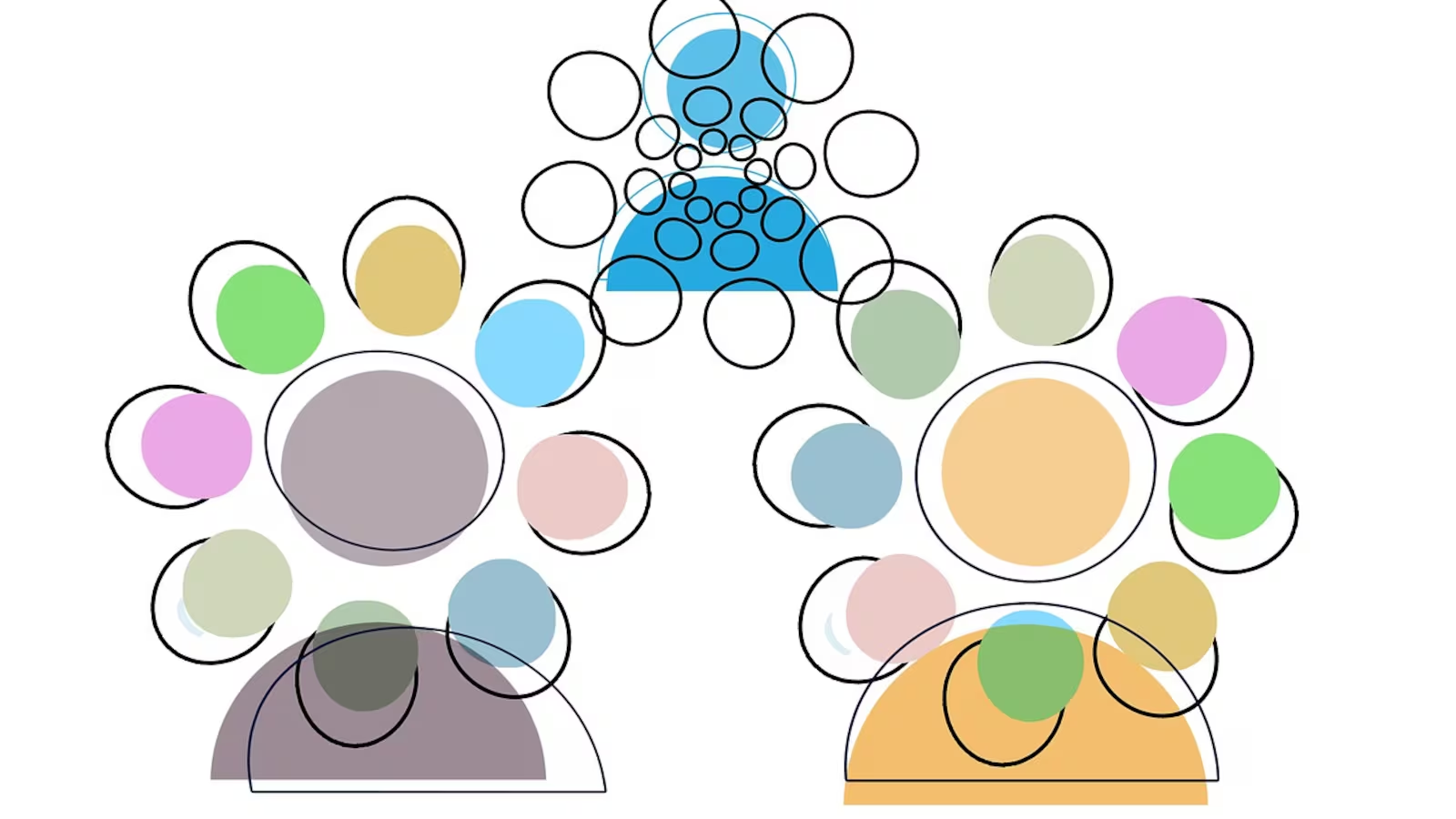
Agencies should accept chaos as normal, and should design strategies to deal with it and make them stronger and resilient.

The Up&Up Group has announced the launch of its 2026 LevelUp Grad Programme.
.png)
85% of digital marketing spend is wasted, according to world-renowned media scientist Dr Karen Nelson-Field.

This report reveals exactly what has, and hasn’t, changed in the lives of consumers since the pandemic.
.webp)

Let’s embrace the ethos of sharing and collaboration

South Africans need to dig deep, plant wisely and nurture carefully
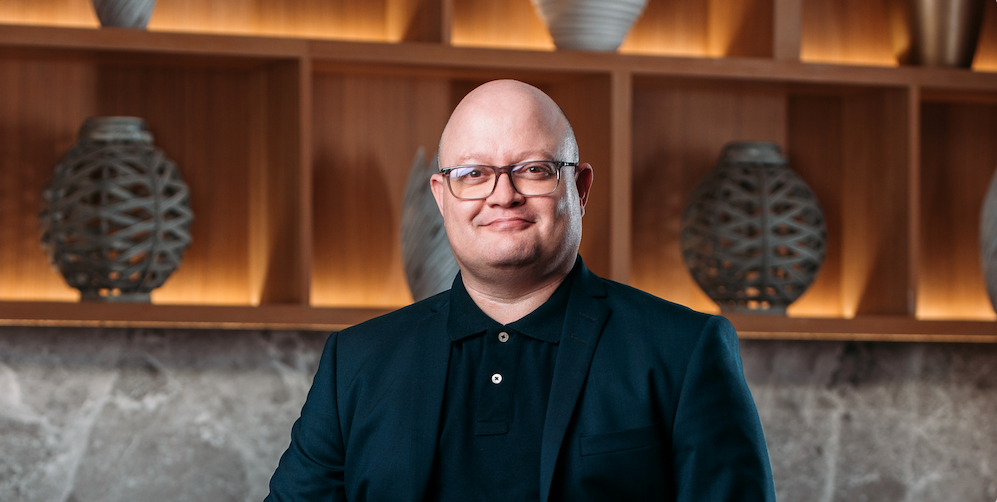
PR is no longer just about professional PR, it is about a deeply embedded and strategic communications function that both promotes and protects brands and reputations - exactly what Razor PR set out to do when it opened its doors in 2020.

Brands would do well to fundamentally reconstruct their engagement strategies from ‘demographic targeting’ to understanding and engaging with passion communities
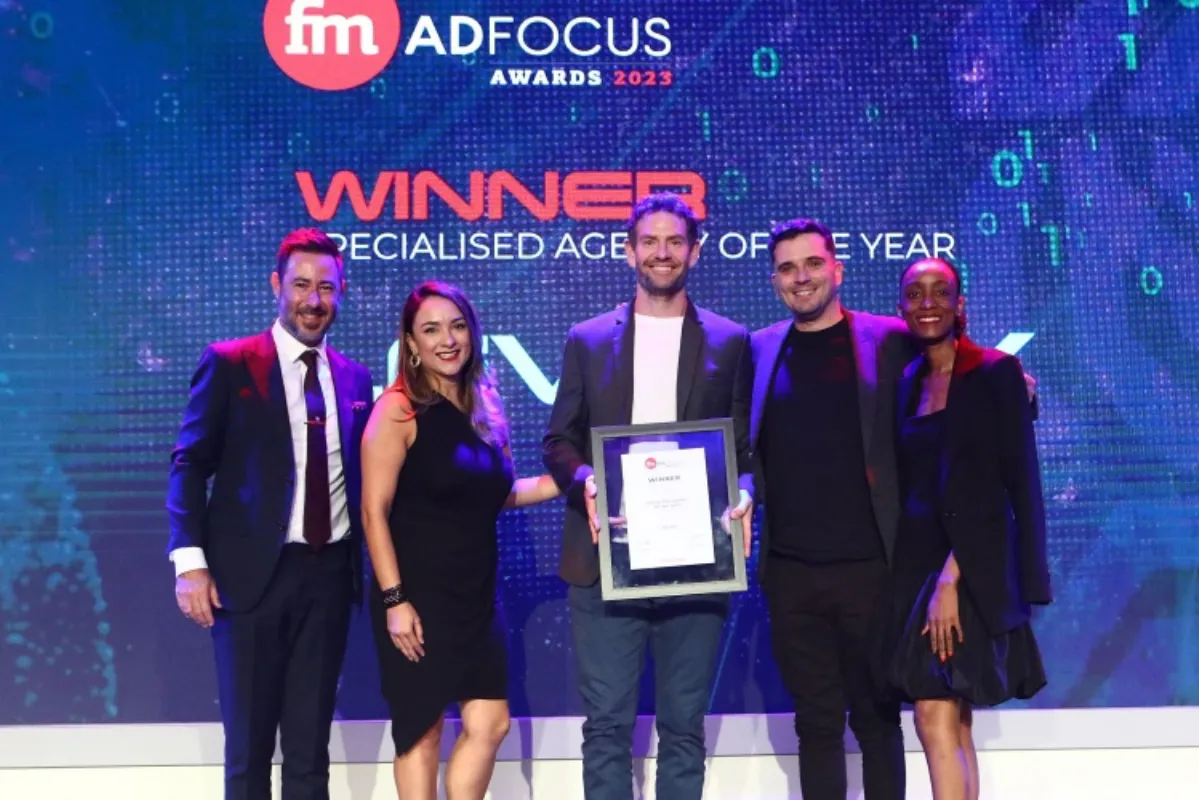
Levergy has achieved the distinction for the second consecutive year after winning the Adaptability Award in 2021

There’s never been a better time to invest in SA
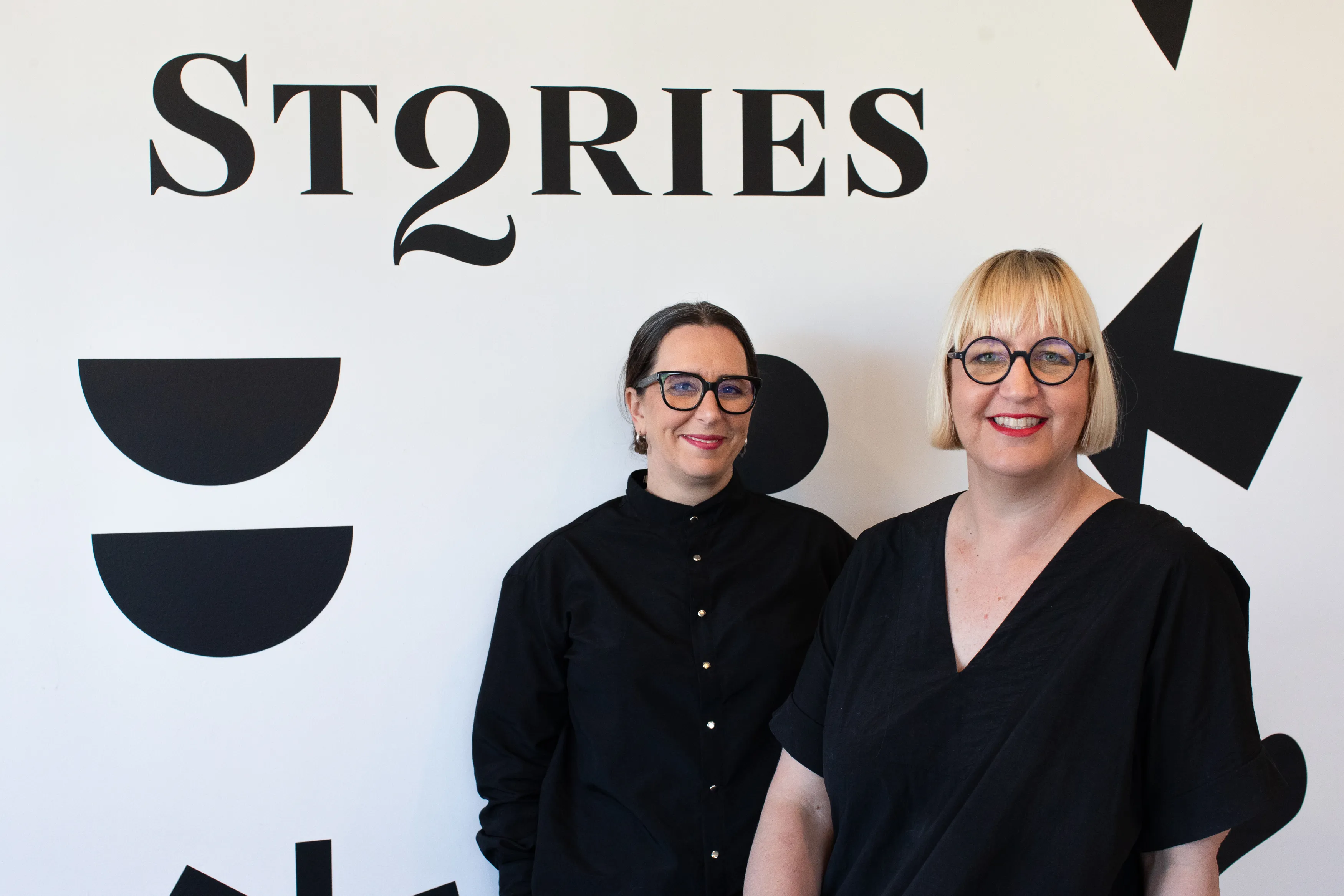
The Up&Up Group has acquired a strategic stake in content marketing agency 2Stories.